

Many beginner swimmers are introduced to the water with goggles, making underwater vision feel unnatural without them. But there’s real value in learning to swim without eye protection. So, can you actually see underwater without goggles? With the right mindset and a little practice, the answer is yes-and it’s an important skill worth building.
Why Swim4Life Teaches Swimming Without Goggles
Goggle-free swimming encourages natural adaptation and builds confidence. It strengthens foundational skills like breath control, calmness, and eye discipline. Learning this way also prepares children for real-world conditions like oceans or lakes, where goggles aren’t always available. While goggles are helpful at times, the goal is comfort and resilience-not reliance.
Is It Safe To Open Your Eyes Underwater Without Goggles?
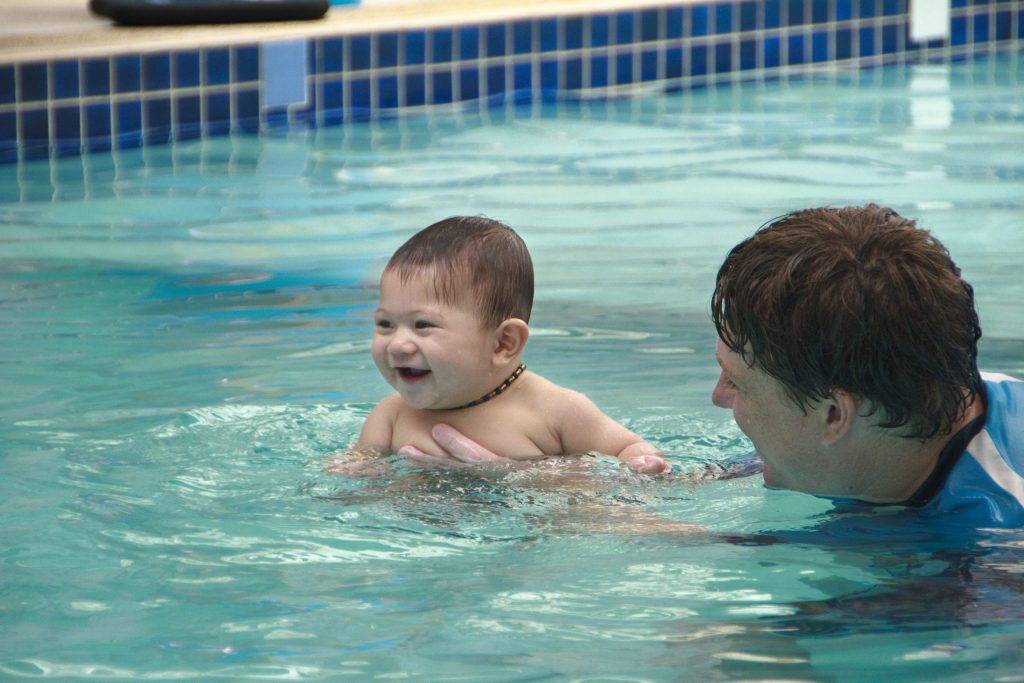
Under proper supervision and in clean, well-maintained water, yes-it’s safe. Lessons introduce eye-opening gently, starting with brief exposure in a controlled environment. Children are taught to rinse their eyes and listen to their body’s signals. Safety and gradual progress remain at the core of every step.
Why Is It Blurry When You Look Underwater Without Goggles?
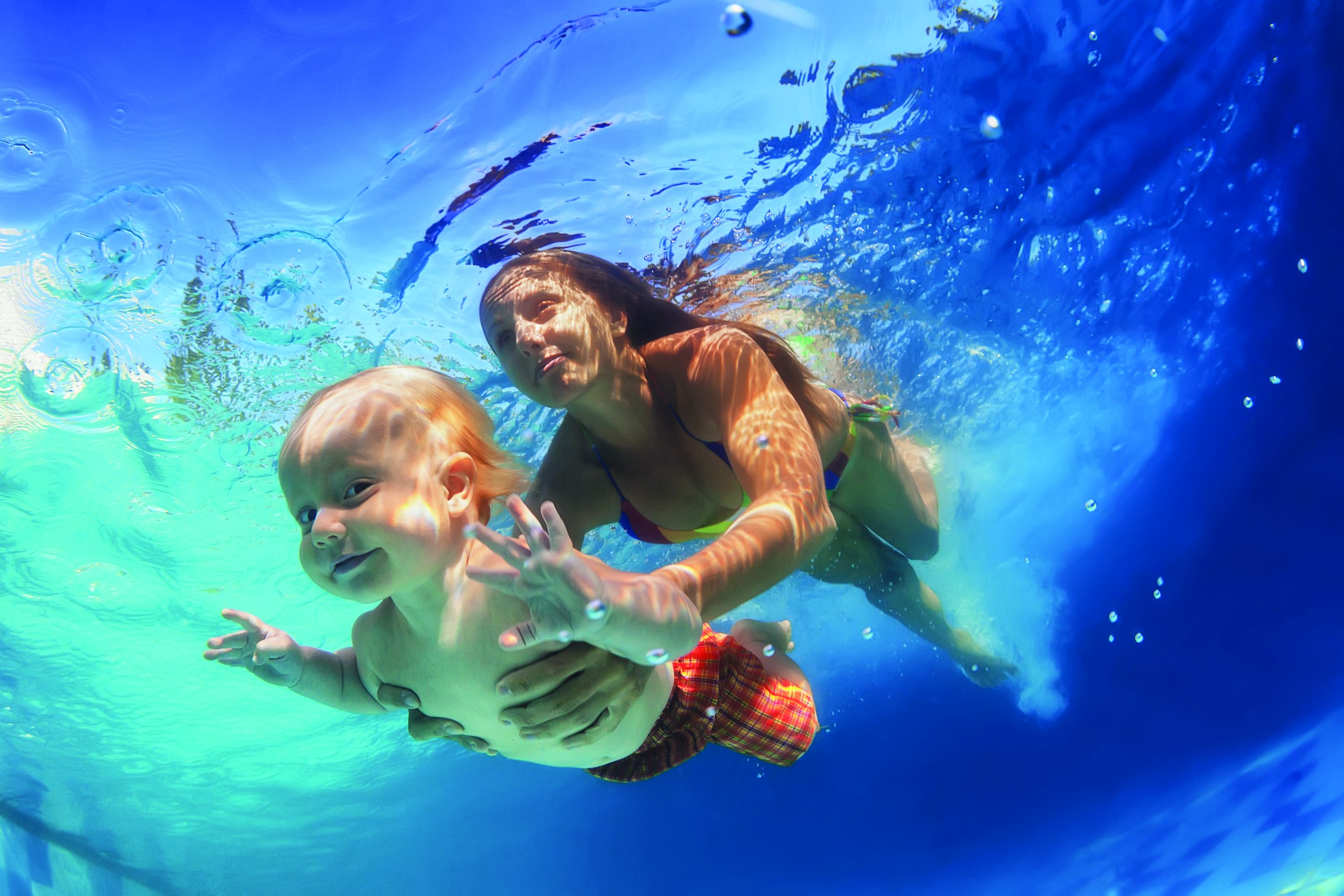
The human eye is built for seeing in the air. Underwater, light behaves differently and causes visual distortion. That’s why things appear blurry without goggles. But this blurriness is completely normal-and harmless. Swimmers are reminded that underwater clarity isn’t the goal; comfort and familiarity with the feeling are.
Can You Train Your Eyes To Handle Water Exposure?
Yes, and it becomes more natural with practice. Eye-opening is introduced in short intervals, with an emphasis on calm breathing and mental focus. Students learn to blink and relax while submerged. The more time spent practising this skill, the more second nature it becomes. It’s similar to how children gradually overcome fear of water through repeated, supportive experiences.
What Happens When You Swim Without Goggles?
At first, it can feel uncomfortable. Some children experience brief stinging or visual blur. But with repeated exposure, that discomfort fades. The eyes adjust, and swimmers gain resilience. It’s a small challenge that leads to a big sense of accomplishment and increased water confidence. These experiences also support broader children’s water safety skills that every swimmer should have.
Is It Okay To Open Your Eyes In Oceans Or Rivers?
In natural water settings, caution is key. Saltwater may sting at first, so short glances are best. River or lake conditions depend on cleanliness and visibility. Swimmers should always use discretion and rinse their eyes afterward. Hygiene and body awareness remain important parts of open water safety. Techniques like front and back floating can also help children stay relaxed when vision is limited.
Why Don’t Swim4Life Students Rely On Goggles?
Swim4Life students train without depending on goggles so they can swim confidently in any real-world situation. They learn to stay calm, comfortable, and capable even if goggles are unavailable, lost, or broken.
Swimming without goggles builds resilience. Students experience the natural sensation of water in their eyes. They adapt to different lighting, visibility, and pool conditions. This reduces anxiety and increases control underwater.
This approach also prepares them for real-life moments. If they are on vacation and forget their goggles, they will not hesitate. They will not avoid swimming with family or friends. They already know they can swim safely and confidently without equipment.
Goggles remain a helpful comfort tool. They improve visibility and reduce eye irritation. However, Swim4Life teaches that they are optional, not essential.
Tips: How to Open Your Eyes Underwater Without Goggles
Step 1: Use clean, clear water. A safe, well-maintained pool is ideal for first attempts.
Step 2: Dip your face in slowly. Let your child take their time, keeping their breathing relaxed.
Step 3: Peek for a second. Encourage just a quick glance to get used to the feeling.
Step 4: Try blinking underwater. This helps ease irritation and builds familiarity with the sensation.
Step 5: Rinse your eyes. A gentle rinse with fresh water keeps the eyes comfortable post-swim.
Step 6: Slowly build up exposure. Gradually extend eye-open time across multiple sessions.
This simple progression helps swimmers gain comfort and independence without needing goggles.
When Are Goggles Still Useful?
Children’s swimming goggles are helpful in certain situations: long swims in chlorinated pools, races or deep dives, and for children with extreme eye sensitivity.
While not essential, they can provide extra comfort and protection when needed.
Swim4Life – Trust Your Eyes, Trust The Water
Learning to swim without goggles builds independence, resilience, and genuine confidence in the water.
At Swim4Life, every swimmer is guided to work with the water, not against it, starting with trusting their own eyes. By embracing natural underwater experiences, students gain control, calmness, and the freedom to enjoy swimming in any environment; goggles optional, confidence essential.
Come visit us in Tarneit or Williams Landing and start your child’s journey with confidence.