

Breathing is the most important skill in swimming. Learning how to breathe when swimming helps children and adults stay calm, conserve energy, and move smoothly through the water. For parents, correct breathing reduces fear and builds water confidence. For students, it creates rhythm, improves technique, and makes swimming safer and more enjoyable in every stroke.
Swimming breathing technique is not about taking bigger breaths. It is about timing, relaxation, and continuous airflow. When breathing feels controlled, swimming becomes easier and progress happens faster.
The Basics of Breathing in the Water
Effective swimming breathing follows one simple rule: inhale quickly, exhale slowly. Air should always be moving. This keeps the body relaxed and prevents panic.
Different Breathing Styles for Each Stroke
- Freestyle (Front Crawl): Inhale through your mouth as your head turns slightly with body rotation, then exhale steadily through your nose and mouth while your face stays in the water between strokes.
- Backstroke: Inhale through your mouth as one arm finishes its underwater pull, then exhale calmly as the opposite arm pulls, keeping breathing relaxed because the face remains above water.
- Breaststroke: Inhale through your mouth as your head lifts naturally during the arm pull, then exhale smoothly underwater as your arms extend forward and your face returns below the surface.
- Butterfly: Inhale quickly when your head lifts forward during the arm pull, then exhale continuously underwater through your nose and mouth during the dolphin kick and arm recovery.
These patterns form the foundation of all swim breathing tips taught to beginners and developing swimmers.
The Differences Among Breathing Styles
| Stroke | When to Inhale | When to Exhale | Head Position | Breathing Rhythm |
| Freestyle | During side rotation | Face in the water | Slight side turn | Start with one stroke, one breath. Progress to breathing every third arm stroke. |
| Backstroke | End of arm pull | Opposite arm pull | Neutral, face up | Continuous |
| Breaststroke | Arm pull and lift | Arms extend underwater | Brief forward lift | One breath per stroke |
| Butterfly | Forward lift | Underwater recovery | Minimal lift | One breath per cycle |
Understanding these differences helps parents and students avoid confusion and build correct habits early.
Essential Do’s for Effective Breathing
How to Inhale
Inhale calmly and quickly through your mouth. Turn your head slightly with body rotation and keep one side of your mouth just above the surface. Avoid lifting your head. Relax your shoulders and let the breath happen naturally with the stroke.
This method supports balance and prevents the legs from sinking.
How to Exhale
Exhale continuously as soon as your face returns to the water. Release air gently through your nose and mouth. Empty your lungs fully before the next inhale to maintain a smooth rhythm and avoid rushed breathing.
Continuous exhalation is one of the most important swim breathing tips for reducing anxiety.
Common Breathing Mistakes and How to Fix Them
Holding the breath for too long creates tension and leads to early fatigue.
How to fix it: Begin exhaling as soon as the face goes back into the water.
Poor head positioning throws off balance and makes swimming feel harder than it should.
How to fix it: Keep the head aligned with the spine and avoid unnecessary movement.
Lifting the head high to breathe causes the legs to sink and disrupts body position.
How to fix it: Rotate the head gently or lift only enough to take a quick breath.
Poor lifting of the head when breathing makes breathing difficult and disrupts rhythm. This happens when a swimmer lifts the head straight up first, then turns to the side.
How to fix it: Rotate the head directly to the left or right. Avoid lifting it straight up before turning.
Breathing too frequently breaks stroke rhythm and wastes energy.
How to fix it: Time breathing to the stroke pattern instead of breathing whenever it feels urgent.
Breathing too late or too often increases panic and reduces control.
How to fix it: Breathe earlier in the stroke cycle and stay consistent.
Failing to exhale fully underwater results in shallow, rushed breaths.
How to fix it: Focus on slow, steady exhalation through the nose and mouth underwater.
Correcting these habits early builds strong swimming breathing technique and supports confident progress for children and beginner swimmers.
Fun and Simple Breathing Practice for Children
Breathing practice should feel playful, not stressful. Simple swimming drills help children learn breath control naturally.
“Smell the flower, blow the candle” teaches gentle inhaling and controlled exhaling.
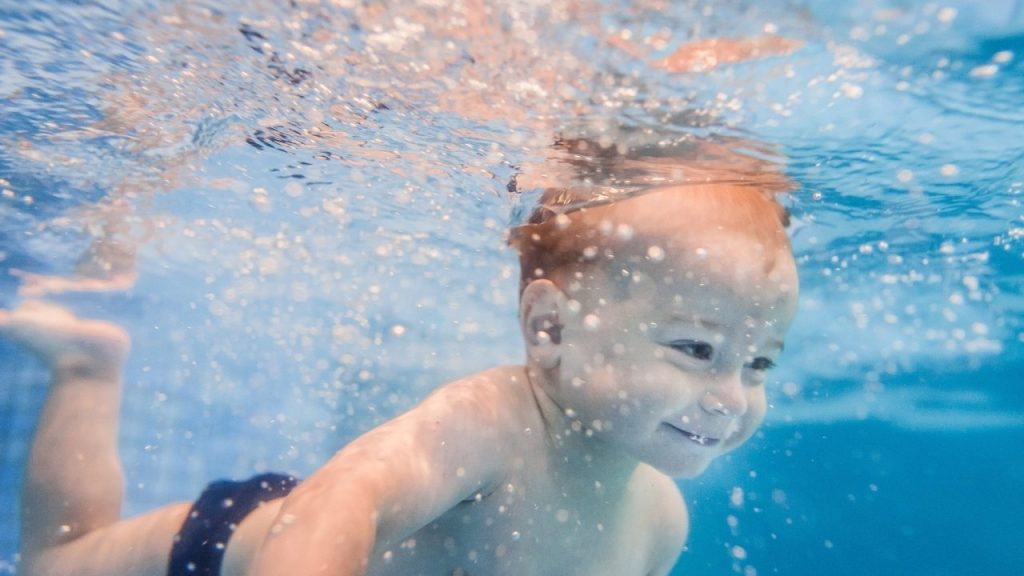
“Bubble countdown” encourages children to place their face in the water and release air slowly.
Floating toys and dive rings motivate children to exhale underwater while staying relaxed.
These activities improve lung control, reduce fear of submersion, and build confidence. They are especially effective for parents supporting children during early swimming lessons.
Why Correct Breathing Builds Confidence and Progress
Correct breathing directly reduces fear in the water. When children understand they can always exhale and breathe again, panic disappears. This leads to better body position, smoother strokes, and faster skill development.
For parents, this means fewer setbacks. For students, it means more enjoyment and long-term confidence. Breathing is not a small detail. It is the foundation of swimming success.
Breathe with Confidence at Swim4Life Swim School
Swim4Life teaches swimming breathing techniques with a confidence-first approach. Small class sizes allow instructors to give clear, personalised feedback on breathing and timing. Lessons take place in a heated magna mineral pool maintained at 32 °C, with eight built-in depth levels for safe and gradual learning.
With over five decades of combined teaching experience, instructors support children and adults through structured programmes from beginner to advanced. Each level focuses on breathing, relaxation, and technique, helping students progress safely and confidently.