

Parents naturally want to protect their baby’s ears while still letting them enjoy the water. Questions about earplugs often come from a place of care, not concern. For most babies, earplugs are not necessary. Comfort, confidence, clean water, and close supervision matter far more than accessories.
This guide from Swim4Life will share calm, experience-based guidance grounded in child development and swim-teacher practice, not fear-driven advice.
How Babies Experience Water (and Why It’s Different from Adults)
Babies experience water very differently from adults. Warm water creates gentle pressure, sounds become softer, and movement feels supportive. Babies do not associate water in the ears with danger. In early baby swimming development, water often feels familiar and soothing.
However, babies are highly sensitive to discomfort. What matters most is how relaxed and secure they feel. Understanding how babies experience water helps parents focus on comfort instead of unnecessary protection.
Do Healthy Babies Need Earplugs for Swimming?
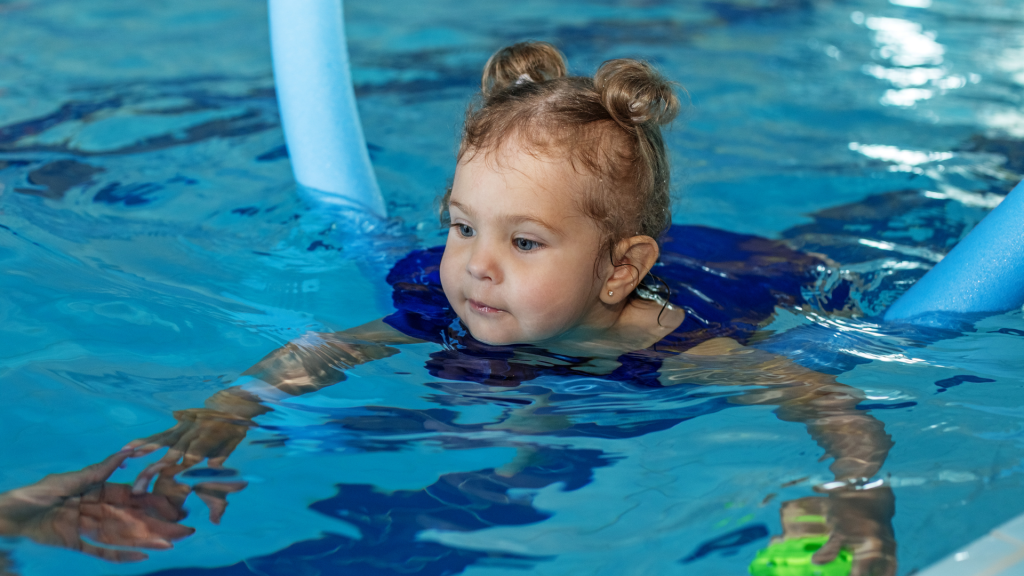
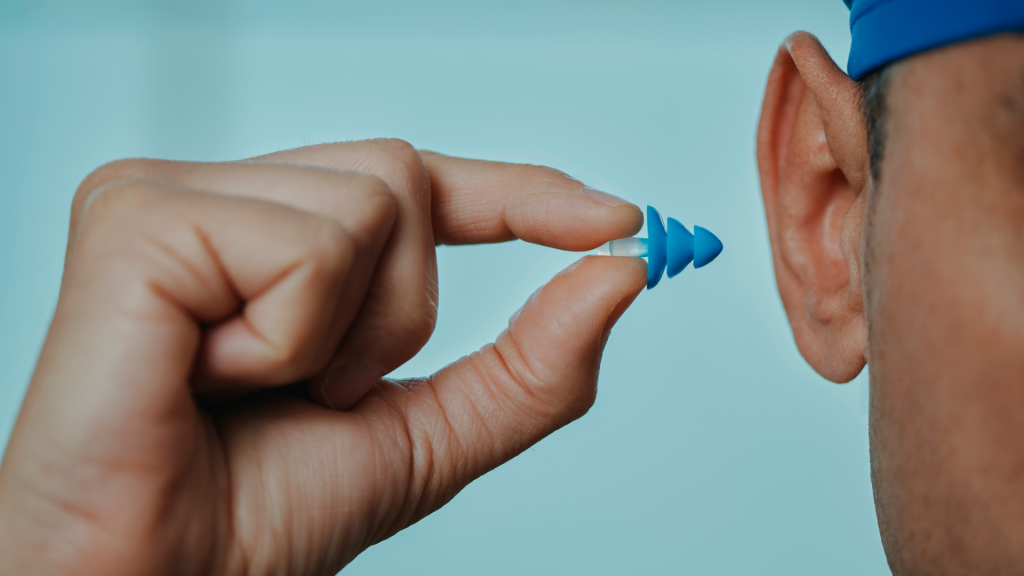
Usually, no. Healthy Babies without medical conditions do not need earplugs for swimming. Water naturally drains from healthy ears, especially when babies remain upright and relaxed after lessons. In most cases, earplugs for babies swimming add little benefit. Introducing unnecessary equipment can increase fussiness, distract from learning, and interrupt comfort in the water. From a baby swimming safety perspective, clean pools and attentive supervision offer better protection than accessories.
When Ear Protection May Be Important for a Child
There are situations where ear protection may be appropriate, but these are medical exceptions. Earplugs may be recommended for babies with grommets, a perforated eardrum, or chronic or recurrent ear infections. In these cases, advice should come directly from a healthcare professional. Online recommendations can be misleading. Medical guidance should always outweigh general advice when it comes to a child’s ears and hearing health.
Why Earplugs Can Sometimes Work Against Water Confidence
Earplugs can feel intrusive for babies. They may create pressure, unfamiliar sensations, or discomfort. This can increase resistance, fussiness, or distraction during lessons. Baby water confidence develops through relaxed, positive experiences. When attention shifts to equipment instead of play, learning can slow.
For many babies, swimming comfort comes from freedom of movement, warmth, and connection, not from adding layers of protection.
What Actually Protects a Baby’s Ears During Swimming
The best protection comes from good environments and gentle teaching. Clean, well-maintained pools reduce irritation and infection risk. Calm lesson structures limit overstimulation. Short submersions and frequent breaks help babies stay comfortable. Proper ear drying after swimming supports natural drainage. Swim caps can help with warmth and heat retention, but they are not waterproof. In practice, safe teaching and clean water reduce risk more effectively than accessories.
What Swim Teachers Watch for in Babies’ Ear and Water Comfort
Experienced swim teachers closely observe baby behaviour. Signs such as head shaking, tension, sudden disengagement, or persistent distress indicate discomfort. Babies communicate through movement and expression, not words. Lessons adapt in real time based on these cues. Child-led progression allows each baby to stay comfortable and engaged, which supports both safety and learning.
Helping Your Baby Build a Positive Relationship with Water
A baby’s long-term water safety starts with calm, positive early experiences, not equipment. Babies who feel supported and relaxed are more likely to enjoy swimming and build skills as they grow. Qualified instructors, small class sizes, and a gentle pace all help create trust. When learning follows the baby’s cues, confidence develops naturally. This approach supports strong foundations for future swimming ability and enjoyment.
Confident, Comfortable Swimming at Swim4Life Swim School
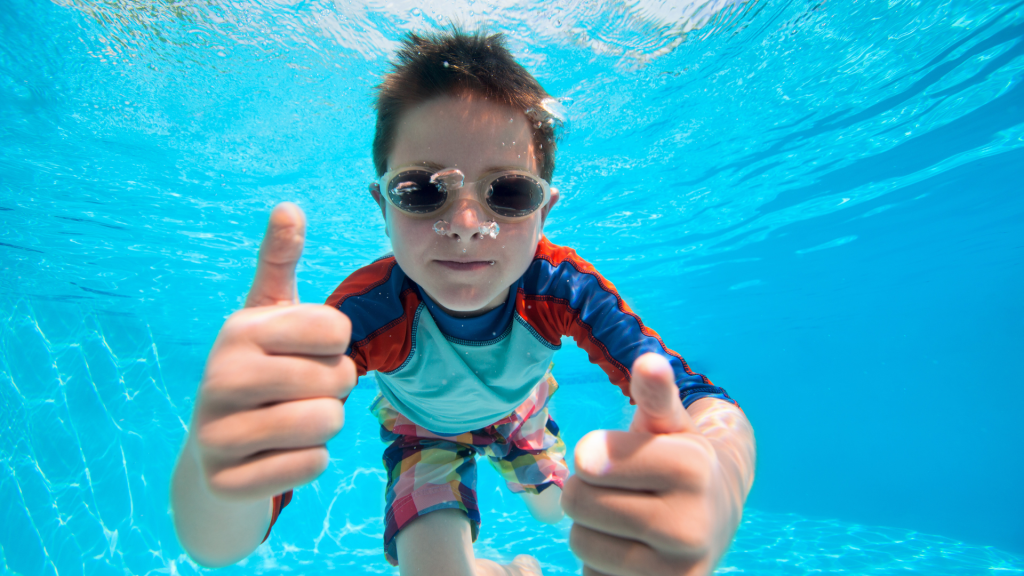
At Swim4Life, baby and toddler swimming focuses on comfort, safety, and development first. Experienced, child-focused instructors guide parents with calm, hands-on support. Small class sizes ensure each baby progresses at their own pace. Lessons take place in a warm, well-maintained pool, designed to support early confidence and enjoyment. Parents in Tarneit and Williams Landing can explore programs created to support babies at every stage of their swimming journey.