

Kicking is one of the first playful and essential water skills babies learn. It helps babies feel the water, build body awareness, and gain confidence through movement. Many parents worry about doing it “right” or making lessons fun enough. The good news is that kicking develops naturally through gentle play, repetition, and connection. With calm support and simple activities, kicking can become a joyful part of your baby’s early water experience.
What Does “Kick” Mean in Swimming?
A kick in swimming is the movement of the legs that helps create balance, movement, and stability in the water. For babies and beginners, kicking does not mean strong or forceful actions. It simply means moving the legs in a relaxed way so the water responds. Early kicking builds coordination, helps babies understand cause and effect, and prepares them for future swimming skills.
How Many Types of Kicks Are There in Swimming?
- Flutter Kick: A small, fast up-and-down leg movement used in freestyle and backstroke. It comes from the hips with relaxed knees and ankles.
- Dolphin Kick: Both legs move together in a wave-like motion, used in butterfly swimming and underwater kicking.
- Scissor Kick: Legs open and close like scissors. This kick is commonly used in sidestroke.
- Frog Kick: A wide, circular kick where knees bend and feet sweep outward, often seen in basic water movement and early breaststroke learning.
- Two-Beat Kick: A gentle kick pattern using two kicks per arm cycle, common in distance freestyle swimming.
- Six-Beat Kick: A faster kick pattern using six kicks per arm cycle, often used for speed and strong propulsion.
- Whip Kick: Another name for the breaststroke kick, focusing on a quick snap of the feet together.
- Breaststroke Kick: A powerful frog-style kick that creates forward movement during breaststroke.
- Fly Kick: Another term for the dolphin kick used in butterfly swimming.
The most common kicks in swimming are the flutter kick, dolphin kick, and breaststroke kick.
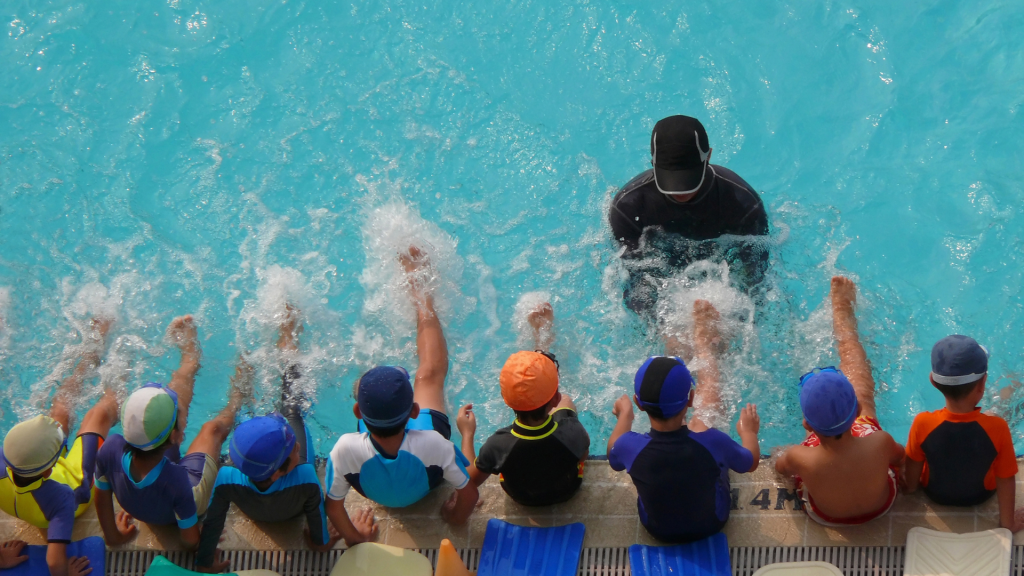
Step-by-Step Guide to Teaching Your Baby to Kick in Swimming (for Beginners)
- Start with comfort and connection. Choose a warm, calm environment such as bath time or a shallow, heated pool. Let your baby sit or lie comfortably while you support their body securely.
- Encourage gentle leg movement. Light splashing with the legs is enough. Even small movements count. Avoid forcing straight legs or strong kicks. Babies learn best when movement feels easy and natural.
- Add fun and rhythm. Use a cheerful voice and simple words like “kick, kick, kick.” Smile, maintain eye contact, and keep the experience playful. Your baby will respond to your energy and tone.
- Reinforce and repeat. Allow your baby to feel the water moving around their feet. Pause, then try again. Short, repeated moments help babies recognise patterns and build familiarity with kicking in the water.
What Age Can Babies Start Kicking Practice?
Babies can begin light kicking practice around six months old, once they can hold their head up with confidence. Younger babies can explore kicking during bath time, while older babies and toddlers may enjoy short pool sessions. Always follow your baby’s comfort level and never force movement. Keep sessions warm, positive, and brief to build enjoyment and familiarity.
Benefits of Early Kicking in the Water
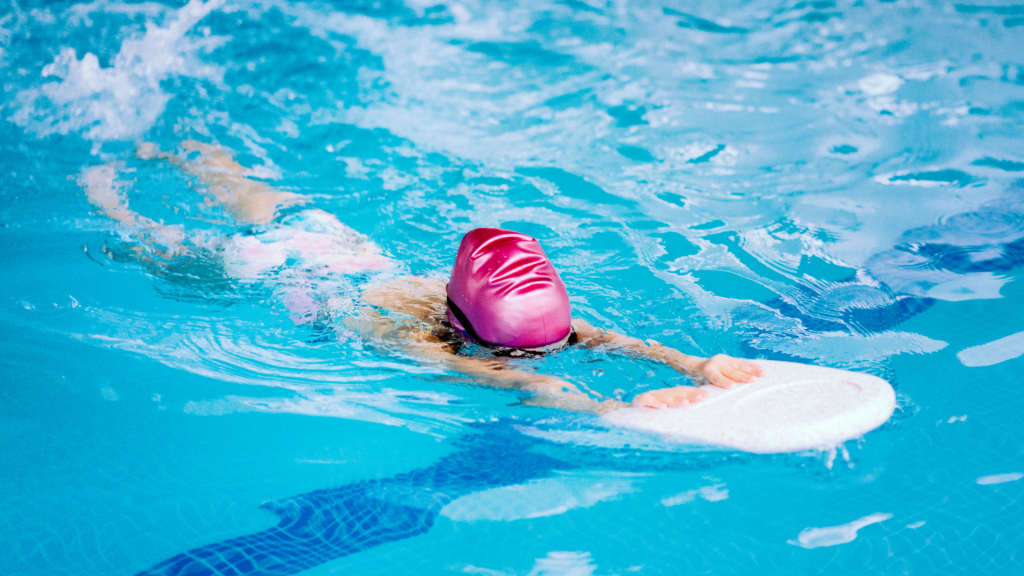
Early kicking supports both physical and emotional development. It helps develop leg strength and motor coordination while building water confidence and body awareness. Kicking encourages bonding between parent and baby through shared play. Babies also learn cause and effect as they notice splashes from their movements. Over time, early kicking forms a foundation for future swimming skills such as floating, gliding, and coordinated strokes.
What Good Kicking Looks Like
Good baby kicking is relaxed, rhythmic, and joyful. Legs move gently from the hips rather than bending sharply at the knees. Movements are soft and natural, creating small splashes instead of big stomps. Parents should focus on encouragement rather than correction. Confidence always comes first. Technique will develop naturally as babies grow and gain experience in the water.
How Can I Improve My Leg Kick in Swimming Faster?
Improving a swimming kick starts with strength, flexibility, and rhythm. Simple exercises include gentle kicking while holding the pool edge, supported kicking on the back, and slow, controlled kicks during play. Stretching ankles and hips helps improve movement in the water. For older children and adults, short kick-focused swims and relaxed repetition improve efficiency without strain.
Safety Tips for Kicking Practice
Safety is essential during all kicking practice. Always stay within arm’s reach of your baby. Keep water shallow and warm, ideally around 32 °C. Avoid goggles or flotation devices for babies, as direct parent support is safest. Stop immediately if your baby shows signs of tiredness or discomfort. Choose calm, quiet environments and keep sessions under ten minutes, finishing on a positive note.
Confident Kicking Begins at Swim4Life Swim School
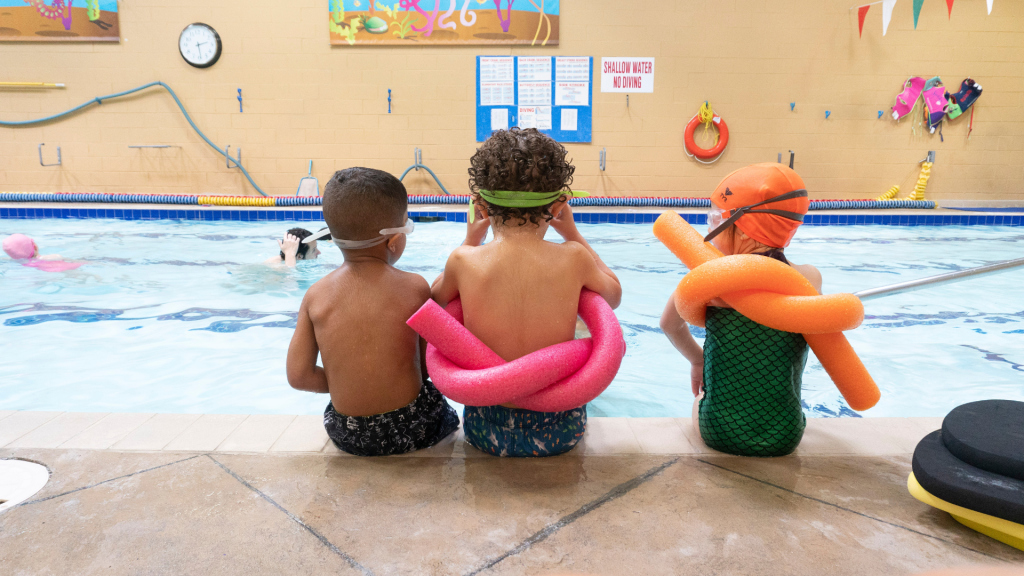
At Swim4Life, water learning is gentle, fun, and supportive. Qualified instructors guide parents in teaching kicking through songs, smiles, and safe hands-on support. With small class sizes of only four students and a heated salt-water pool maintained at 32 °C year-round, every baby progresses at their own pace. Join Swim4Life to help your baby build confidence, coordination, and joy—one happy splash at a time.