


Swimming reduces symptoms of anxiety and depression, lowers cortisol, improves sleep quality and creates a calming rhythm through controlled breathing. Research shows that regular swimmers report lower levels of anxiety and depression than non-swimmers, and that these benefits do not require fast swimming or advanced technique — regular movement in warm water at any pace is enough.
Swimming is one of the few exercises that combines full-body movement, controlled breathing, water immersion and social contact. Each of these contributes to mental health in a different way. This guide covers seven benefits, each supported by research.
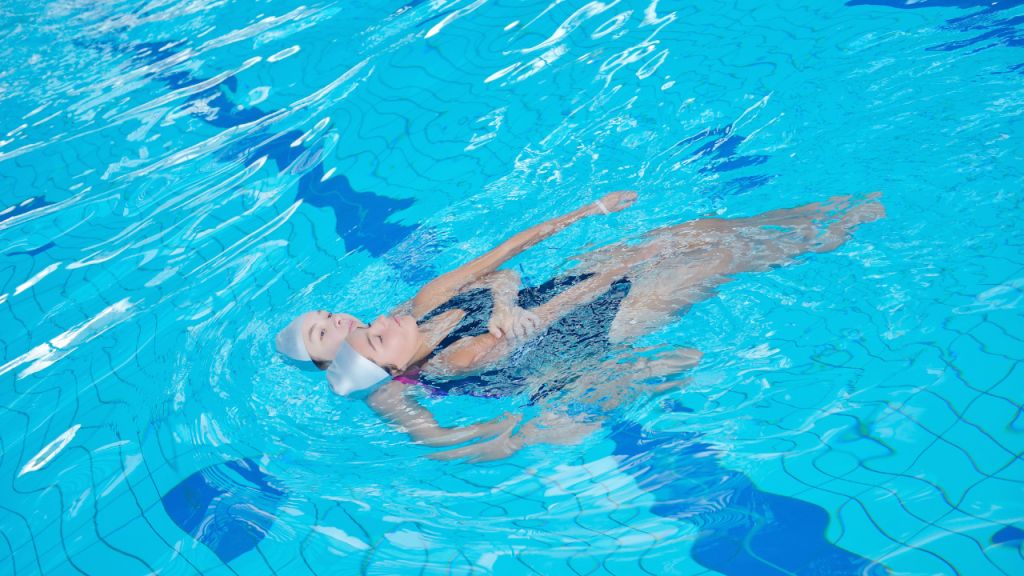
1. Reduces Symptoms of Anxiety and Depression
A meta-analysis published in Psychiatry Research found that regular swimming was associated with a 15% decrease in general anxiety and a 12% reduction in depressive symptoms over six months. A 2025 systematic review in Frontiers in Psychology confirmed these findings across participants aged 12 to 25.
Swimming adds mechanisms that land-based exercise does not: the calming effect of water immersion, the mammalian dive reflex (an automatic slowing of heart rate when the face contacts water), and a rhythmic breathing pattern that mirrors techniques used in mindfulness practice.
Find out: Benefits of Swimming in Heated Pools
2. Lowers Cortisol
Cortisol is the hormone the body produces in response to stress. When it stays elevated over weeks or months, it contributes to anxiety, disrupted sleep and difficulty concentrating. A study published in Neuropsychopharmacology found a 20% reduction in cortisol levels among regular swimmers after eight weeks.
Swimming lowers cortisol through two pathways: physical exertion uses up the energy cortisol provides, and the hydrostatic pressure of water on the body helps the nervous system shift from a stress state to a rest state.

3. Triggers Endorphin Release
Endorphins are the body’s natural pain-relieving and mood-elevating chemicals. Research published in the Journal of Physiology found that aerobic activities like swimming can increase endorphin production by up to 30%.
Swimming at a moderate pace for 30 minutes or more is enough to trigger this effect. The mood lift is often described as calmer than a runner’s high — less energised, more settled.
4. Improves Sleep Quality
Poor sleep and poor mental health reinforce each other. Research published in Sleep Medicine found that regular swimmers reported a 20% improvement in sleep quality compared to non-exercisers. Swimming helps by using physical energy, reducing cortisol and promoting muscle relaxation.
A review of 23 studies found that exercising in the evening did not delay sleep onset — evening exercisers fell asleep faster and spent more time in deep slow-wave sleep. For adults who can only swim after work, this removes a common concern.
5. Creates a Meditative State Through Breathing
Swimming requires controlled, rhythmic breathing — inhaling above the water and exhaling into it. This pattern closely resembles breathing techniques used in mindfulness and meditation. The difference is that swimming builds this pattern into a physical activity, so you practise it without needing to sit still.
Water temperature plays a role. Water around 30–32°C relaxes muscles and reduces sensory input, which helps the nervous system settle. For people who find seated meditation difficult, swimming offers a way to access a similar state through movement.

Read more about How to Overcome Fear of Swimming as an Adult
6. Builds Confidence and Self-Esteem
Each achievement in the water — floating unassisted, completing a lap, learning a new stroke — registers as measurable progress. For adults learning to swim or returning after years away, these milestones build a sense of capability that carries beyond the pool.
For children, research shows that those who swim regularly report a higher sense of wellbeing than those who do not. A scoping review conducted by Bond University found that aquatic exercise, including leisure swimming, is a promising approach for supporting mental health across different age groups.
7. Provides Social Connection
Loneliness and social isolation are recognised risk factors for depression. Research shows that regular swimmers are significantly less likely to report having no close friends compared to non-swimmers.
A weekly lesson or regular pool visit creates routine social contact in a low-pressure setting. For children, group lessons provide interaction with peers outside of school. Neither requires conversation — being around other people in a shared activity has a measurable effect on wellbeing.

Start Swimming for Your Wellbeing
Swimming can be a valuable part of looking after your mental health, but it works best alongside professional support. If you are experiencing ongoing anxiety, depression or emotional distress, please speak with your GP. Many health professionals recommend swimming as part of a broader approach to managing mental health and overall wellbeing.
Swim4Life offers year-round swimming lessons for children and adults at Williams Landing and Tarneit. Pools are heated to 32°C with chlorine-free Magna Mineral Water, and classes have a maximum of four students. For those who prefer a quieter, more personal environment, private one-on-one lessons are also available — allowing you to learn at your own pace without the pressure of a group setting. Visit your nearest centre or book a lesson.
Frequently Asked Questions
How often should I swim for mental health benefits?
Most research shows benefits from two to three sessions per week. Even 20 to 30 minutes per session can improve mood, reduce cortisol and support sleep.
Can children benefit from swimming for mental health?
Yes. Children who swim regularly report higher wellbeing than those who do not. Swimming also supports confidence, emotional regulation and social connection.
Does swimming help with stress?
Yes. Swimming lowers cortisol through physical exertion and the calming effect of water immersion. Research found a 20% cortisol reduction after eight weeks of regular swimming.
Do I need to swim fast to get mental health benefits?
No. Moderate-pace swimming for 30 minutes or more triggers endorphin release and reduces cortisol. The benefits come from regular movement in water, not speed.
Is warm water better for mental health?
Water around 30–32°C relaxes muscles and reduces sensory stimulation, which supports the calming effect. It also makes swimming more comfortable to maintain as a routine.