

The best way to keep children warm during winter swimming lessons is to minimise the time they spend wet and exposed to cold air before and after entering the pool. Dressing children in their swimmers before leaving home, packing warm towels and comfortable clothing, drying them thoroughly after class and choosing a heated indoor pool can all make winter lessons far more enjoyable.
Swimming lessons are just as important during winter as they are in summer. Continuing lessons throughout the colder months helps children build confidence, improve their swimming skills and develop lifelong water safety habits. While indoor pools remain warm, the biggest challenge is usually the time spent outside the water. With a few practical winter swimming tips for kids, parents can help their children stay comfortable and motivated to swim all year round.
Why Children Feel Colder After Swimming in Winter
Many parents assume the water is what makes children cold. In most cases, the biggest drop in body temperature happens after they leave the pool, when wet skin is exposed to cooler air. Because water transfers heat away from the body much faster than air, children can cool down quickly if they spend too long walking to the change room or getting dressed.
Understanding this makes winter swimming much easier to manage. Rather than focusing only on the pool itself, parents can reduce discomfort by preparing for the moments before and after each lesson, when children lose heat most rapidly.
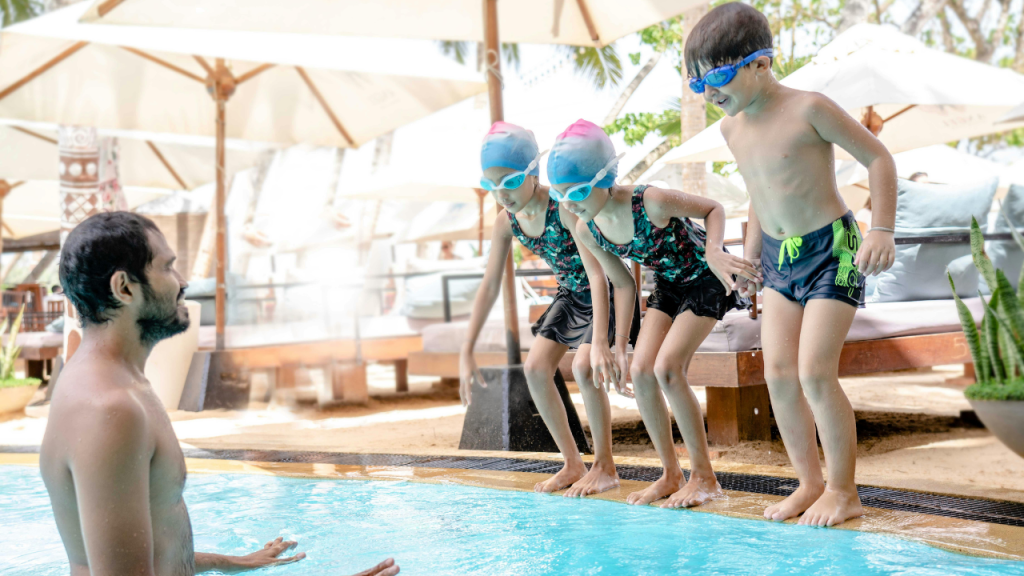
Read more about: The Common Myth of Winter Swimming
Tips to Help Keep Children Warm During Winter Swimming Lessons
Swimming lessons can continue safely and comfortably throughout winter with a little preparation. These practical strategies help reduce heat loss, improve comfort and encourage children to maintain a positive attitude towards swimming during the colder months.
1. Dress Children in Their Swimmers Before Leaving Home
One of the coldest parts of a winter swimming lesson is often the change room. When children need to undress and change into swimmers before class, they can lose body heat before the lesson even begins.
Having children wear their swimmers underneath a tracksuit or other warm clothing before leaving home helps reduce this exposure. Once they arrive at the pool, they simply remove their outer layers and head straight to the water, making the transition quicker and much more comfortable.
2. Prepare a Warm Towel and Easy-to-Wear Clothes
Children cool down quickly once they leave the pool, particularly if they’re wrapped in a cold towel or asked to put on cold clothing. Preparing a dry, warm towel before the lesson finishes helps them regain warmth much sooner.
Choose clothing that’s easy to pull on over damp skin, such as an elastic-waist tracksuit, a hoodie, thick socks and slip-on shoes. Avoiding buttons, tight sleeves and shoelaces makes getting changed faster, reducing the amount of time children spend feeling cold.
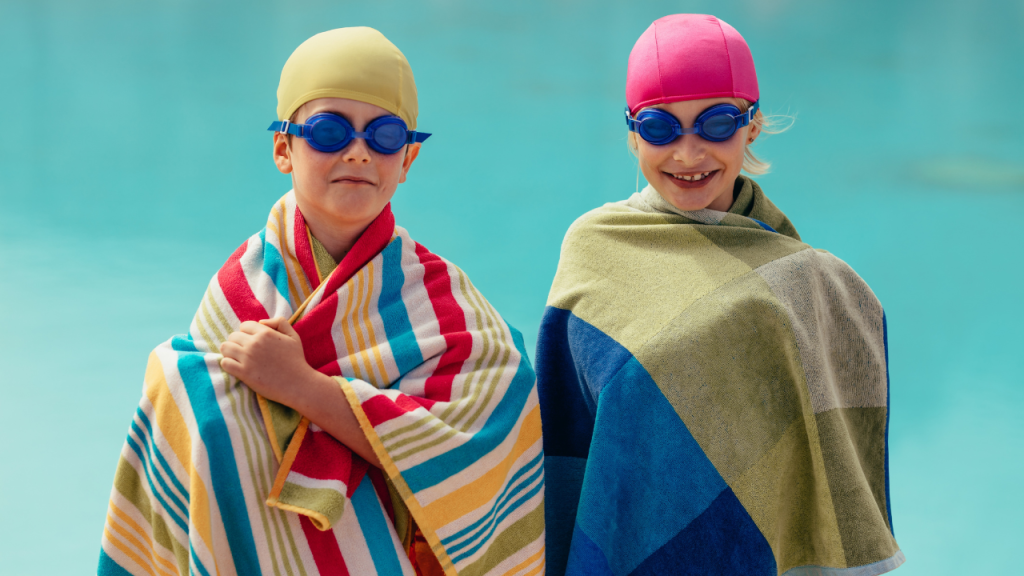
Explore the Checklist: 10 Things to Pack for Children’s Swimming Lessons
3. Use a Hooded Towel, Changing Poncho or Robe
A hooded towel, towelling robe or changing poncho provides warmth immediately after children leave the pool while giving them privacy as they dry off and get changed.
For babies and toddlers, who lose body heat more quickly than older children, parents may also consider an appropriate swim vest or wetsuit designed for heated pools. Keeping young children comfortable allows them to concentrate on learning rather than becoming distracted by the cold.
4. Dry Hair and Ears Before Leaving the Pool
Even after children are dressed, wet hair can make the walk to the car park feel much colder on winter days. Before leaving the pool area, towel-dry their hair thoroughly and gently dry around each ear.
Putting on a beanie or hood before heading outside also helps retain body heat. These simple habits improve comfort after each lesson and can make children more willing to return the following week.
5. Choose a Lesson Time That Suits Winter
The timing of swimming lessons can make a noticeable difference during winter. Lessons scheduled straight after school or during the middle of the day are often easier for families than late evening classes, when outdoor temperatures are lower and children are already tired.
Keeping lessons on the same day and at the same time each week also helps establish a routine. When swimming becomes part of the family’s regular schedule, children are less likely to resist attending during colder weather.
Best Times for Winter Swimming Lessons
- Morning (9:00–11:00 am) – Cooler overnight temperatures have usually eased, making outdoor conditions more comfortable before and after swimming.
- Midday (11:00 am–2:00 pm) – Air temperatures are generally at their highest, helping reduce heat loss when moving between the pool and the change room.
- Afternoon (3:30–6:00 pm) – Suitable for after-school lessons, but outdoor temperatures often begin to fall towards evening, making it important to keep post-swim transitions quick and warm.
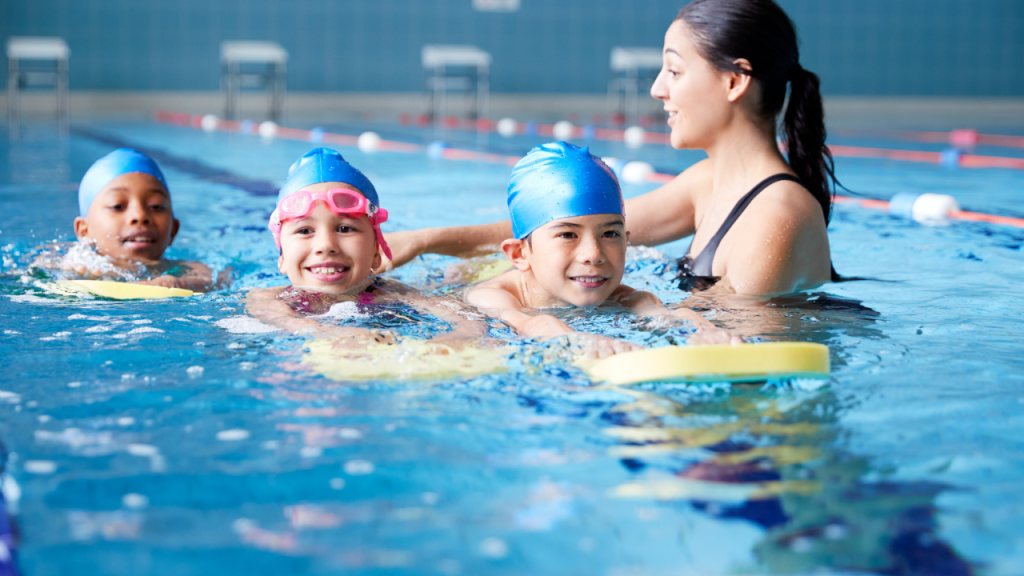
Discover the Best Swim Classes for Your Children
6. Choose a Heated Indoor Pool
The pool environment has a significant impact on a child’s comfort during winter. Young children lose body heat more quickly than adults, making a consistently heated indoor pool especially important during learn-to-swim lessons.
A pool maintained at around 32°C provides a comfortable learning environment for most young children, allowing them to focus on developing swimming skills rather than trying to stay warm throughout the lesson.
7. Consider Water Quality for Children with Sensitive Skin
Winter air can leave children’s skin feeling dry, and frequent exposure to heavily chlorinated pool water may make irritation worse for some children. If your child has sensitive skin or eczema, choosing a swim school with a gentle water treatment system can help make swimming lessons more comfortable throughout the colder months.
At Swim4Life, our pools use chlorine-free Magna Mineral Water, providing a clean, comfortable swimming environment that is gentle on the skin and eyes while maintaining high water quality standards. After each lesson, rinsing off and applying a fragrance-free moisturiser can also help protect the skin barrier and reduce dryness during winter.
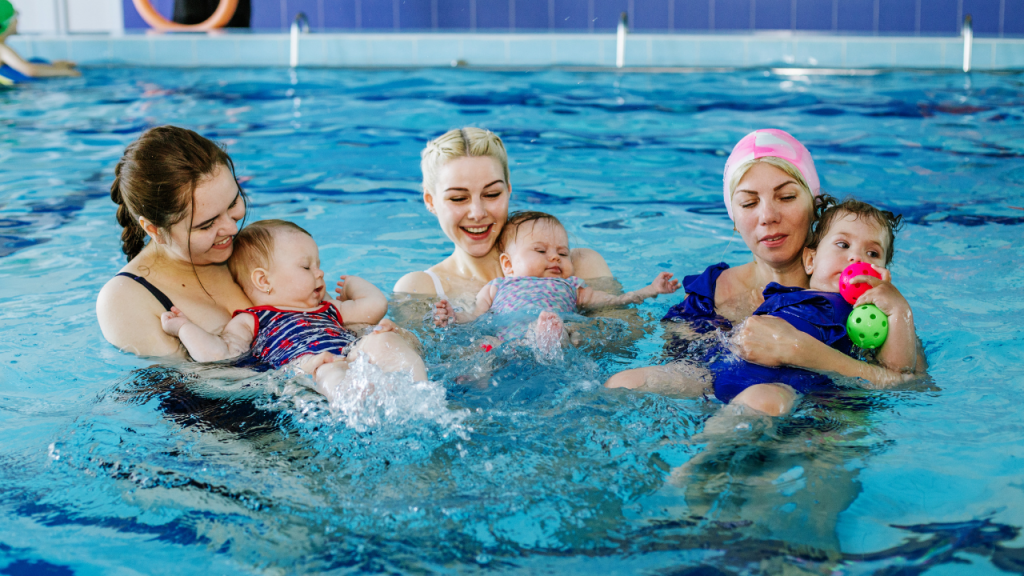
Keep Your Child Swimming This Winter with Swim4Life
Winter swimming lessons don’t have to stop when the weather gets colder. With a few simple preparations and the right swim school, children can stay comfortable while continuing to build swimming skills, confidence and essential water safety throughout the year.
Swim4Life offers year-round swimming lessons, including school holidays, in 32°C heated indoor pools with chlorine-free Magna Mineral Water and a maximum of four students per class. Visit your nearest Swim4Life centre, or book a free trial lesson to keep your child learning this winter.
Frequently Asked Questions
Can swimming during winter make children sick?
No. Respiratory infections are caused by viruses transmitted through close contact, not by exposure to cold air or wet hair. Ensuring children are dried and dressed warmly after each lesson is sufficient.
What pool temperature is suitable for children’s swimming lessons?
The recommended range for learn-to-swim programs is 29–32°C, with younger children benefiting from the warmer end. A pool maintained at around 32°C allows children to remain comfortable throughout a 30-minute lesson without significant heat loss.
Does chlorine affect children’s skin more in winter?
It can. Lower humidity in winter compromises the skin barrier, and heavily chlorinated water may increase dryness and irritation. Mineral water systems reduce chemical exposure, and applying a fragrance-free moisturiser after each lesson helps restore skin hydration.
How many lessons per week should children have during winter?
One structured lesson per week is sufficient to maintain skill retention and water confidence. Regularity is more important than frequency — consistent weekly attendance prevents the regression that typically occurs after breaks of more than two to three weeks.