
Every child learns to swim at their own pace. Some children feel confident from the first splash, while others need extra time, patience and gentle support before they feel comfortable in the water. That is where 1:1 swimming classes can make a big difference.
One-on-one swimming lessons give children personalised attention from a dedicated instructor. This helps them build confidence, improve technique and develop essential water safety skills in a calm and supportive environment. Whether your child is new to swimming, nervous around water or ready to refine their skills, private swimming lessons can provide the focused support they need to progress.
What Are 1:1 Swimming Classes?
1:1 swimming classes, also known as private swimming lessons, are lessons where one child works directly with one swimming instructor.
At Swim4Life, our small group lessons include up to 4 children per class. In a 1:1 swimming lesson, your child receives individual guidance from the instructor throughout the entire session. The instructor can adjust the lesson based on your child’s confidence level, ability, learning style and swimming goals.
This makes 1:1 lessons especially helpful for children who need extra encouragement, more repetition or support with specific swimming skills.
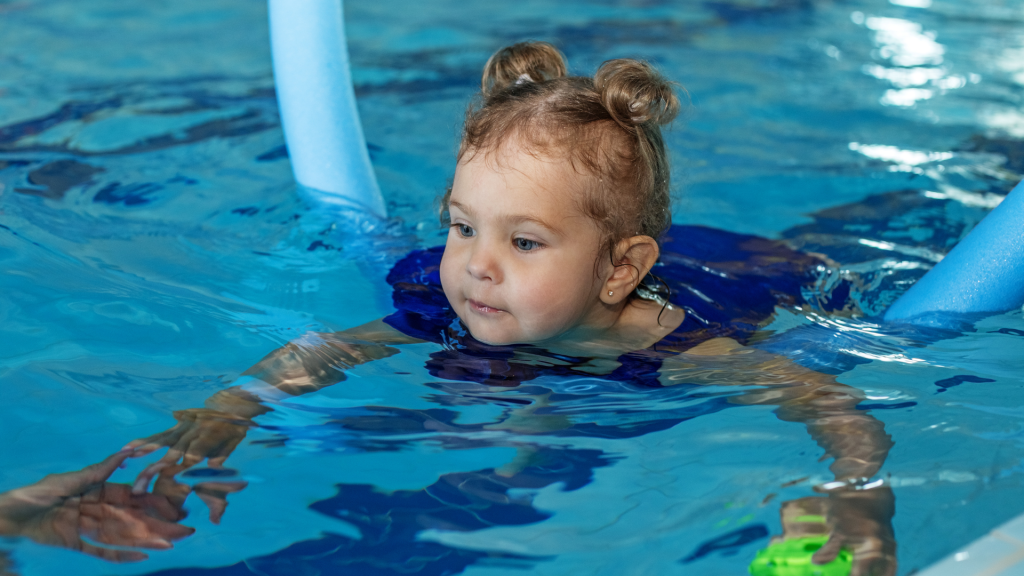
Why 1:1 Swimming Lessons Can Help Children Learn Better
Every swimmer is different. Some children learn quickly in a group setting, while others feel more comfortable when they have the instructor’s full attention.
Private swimming lessons give children space to learn without pressure. The lesson can move at the right pace, helping your child feel safe, supported and ready to try new skills.
- Personalised Attention for Every Child
One of the biggest benefits of 1:1 swimming classes for kids is personalised attention. During a private swimming lesson, the instructor can focus completely on your child. This means they can quickly identify what your child is doing well and where they may need more support.
For example, your child may need help with floating, kicking, breathing, putting their face in the water or developing a stronger stroke technique. In a group lesson, these areas may only receive limited attention because the instructor is supporting multiple swimmers. In a one-on-one lesson, the instructor can spend more time helping your child practise the skills that matter most to them.
This individual focus helps children build stronger swimming habits from the beginning. It also allows small technical issues to be corrected early, before they become harder to change later.
- More Confidence for Nervous Swimmers
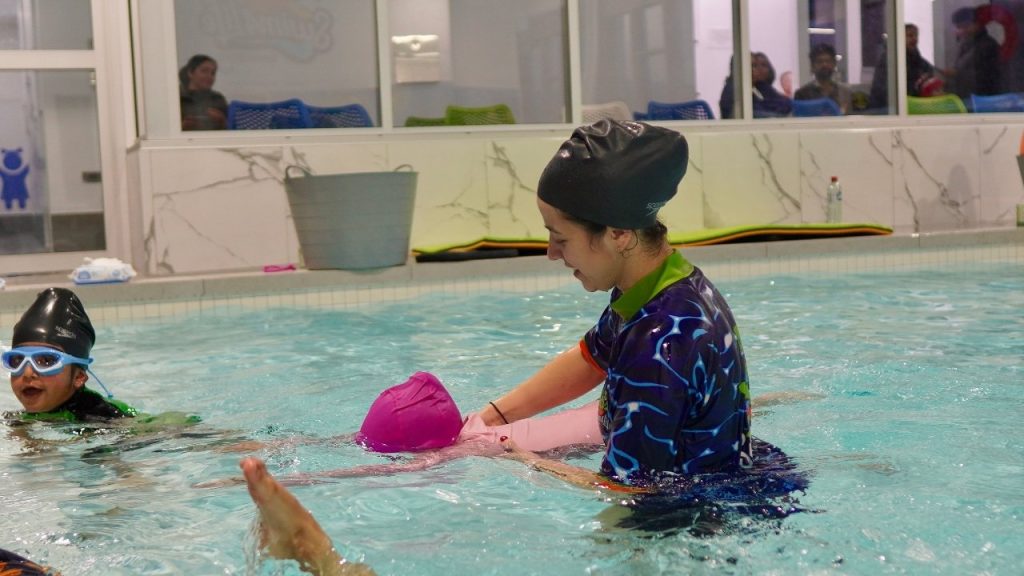
Some children feel nervous when they start swimming lessons. They may be worried about putting their face in the water, floating on their back or being away from a parent during class.
A 1:1 swimming class can help reduce this pressure. With one instructor focused only on them, children can take small steps at their own pace. The instructor can provide reassurance, encouragement and gentle guidance throughout the lesson.
For nervous swimmers, small wins matter. Blowing bubbles, holding the pool edge, floating with support or dipping their chin in the water can all become important confidence-building moments. Over time, these small steps help children feel more relaxed, capable and comfortable in the pool.
- Faster Skill Progression
Because private swimming lessons are focused, children often have more opportunities to practise during each session. In a group class, children may need to wait for their turn or practise at the same pace as others. In a 1:1 class, the lesson can be shaped around your child’s progress. If they understand a skill quickly, the instructor can move forward. If they need more time, the lesson can slow down without pressure.
This can be especially useful when a child is working on a specific goal, such as learning freestyle, improving breathing technique, building stamina, preparing for school swimming or moving up to the next swim level. With direct feedback from the instructor, children can better understand what they need to adjust. This helps them improve technique, build confidence and feel a stronger sense of achievement in the water.
- Support for Different Learning Needs
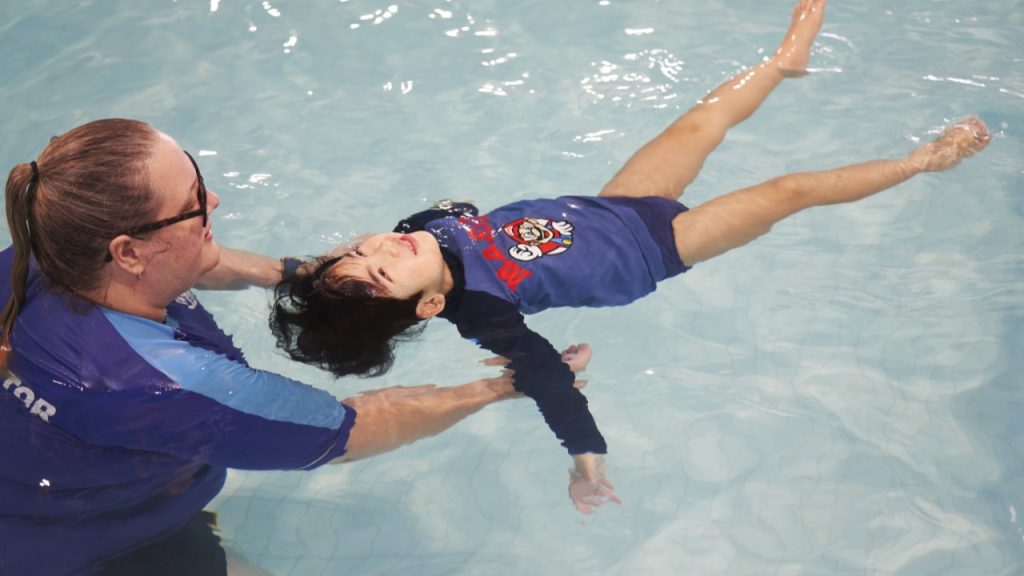
Not every child learns in the same way. Some children need instructions repeated a few times before they feel ready to try. Some children need a quieter environment to concentrate. Others may need more emotional support before they feel safe enough to practise new skills. One-on-one swimming classes can be helpful because the instructor can adapt the lesson to suit the child.
For children who feel anxious in group settings, individual lessons can feel calmer and less distracting. For children who need more time to process instructions, the instructor can explain skills in a simple and patient way. For children with specific physical, emotional or developmental needs, the lesson can be adjusted so they feel supported and included.
This personalised approach helps create a more positive swimming experience. When children feel understood, they are more likely to enjoy learning and keep progressing.
- Stronger Focus on Water Safety
Swimming lessons are not only about learning strokes. They are also about helping children understand how to stay safer in and around water.
In a 1:1 swimming class, instructors can spend more time teaching important water safety skills. Children can practise safe pool entries and exits, floating, turning back to the wall, breath control and staying calm in the water. These skills are especially important because they help children develop confidence as well as awareness.
Water safety is something children build over time. With focused instruction, they can better understand what to do in different situations and how to respond calmly in the water. This is one of the reasons many parents choose private swimming lessons, especially when their child is still building confidence or needs extra support.
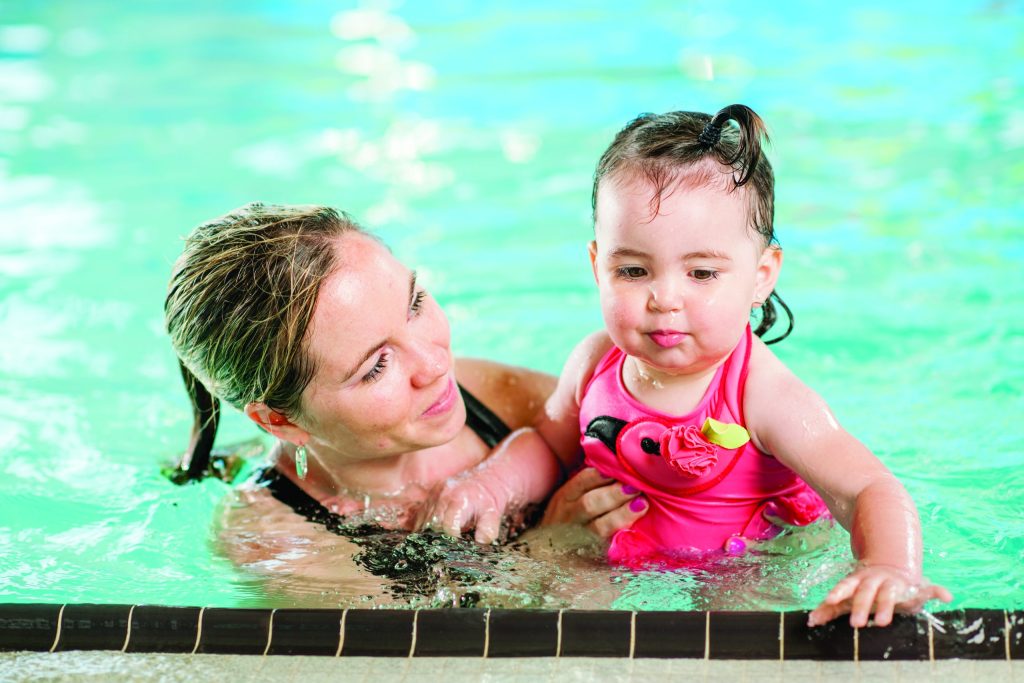
Are 1:1 Swimming Classes Better Than Group Lessons?
Both 1:1 swimming classes and group lessons have their own benefits.
Group swimming lessons are great for routine, social learning and practising around other children. They help children build independence, listen to instructions and learn in a class environment.
Private swimming lessons are best when a child needs extra attention, confidence-building or help with a specific skill.
For many families, the best approach is a combination of both. A child may attend regular group lessons and use private swimming lessons when they need extra support or a skill boost.
When Should Parents Consider Private Swimming Lessons?
Parents may consider private swimming lessons when their child needs a more personalised learning experience. This may be the case if a child is nervous around water, new to swimming, struggling with a specific skill or finding it difficult to keep up in a group class. For children with additional needs, private swimming lessons are often recommended as they provide personalised support, a flexible pace and a learning environment tailored to the child. Private lessons can also be helpful after a break from swimming, as they allow children to rebuild confidence before returning to regular classes.
Some children simply learn better when they receive individual attention. In these cases, 1:1 swimming classes can help them feel more comfortable, supported and ready to progress.
There is no perfect age to start private swimming lessons. The right time is when your child needs focused support to feel safer and more confident in the water.
Discover more detail information about Short And Intensive Swim Programs for your kids
Book a 1:1 Swimming Class with Swim4Life
At Swim4Life, we believe every child deserves to feel safe, confident and supported in the water.
Our 1:1 swimming classes are designed to help children learn at their own pace with personalised guidance from caring instructors. Whether your child is just starting, feeling nervous or ready to improve their technique, we are here to support every step of their swimming journey.
Book a swimming lesson with Swim4Life today and help your child make a confident splash in the water.