

Taking your baby to swimming lessons is an exciting milestone. It is a chance for them to become familiar with the water, build early confidence and enjoy a special bonding experience with you. But after class, many parents wonder the same thing: Does my baby need a bath after swimming?
The short answer is yes, it is a good idea to rinse or gently bathe your baby after swimming. A full bath is not always necessary straight away, but washing pool water off your baby’s skin can help keep them comfortable, especially if they have sensitive or dry skin.
Swimming pools are carefully maintained to help keep the water clean. However, pool water can still leave chlorine, salt, sweat, sunscreen or other residue on your baby’s skin. Because babies have delicate skin, a gentle rinse after swimming can be a simple way to help prevent dryness and irritation.
Why It Is Helpful to Rinse Your Baby After Swimming
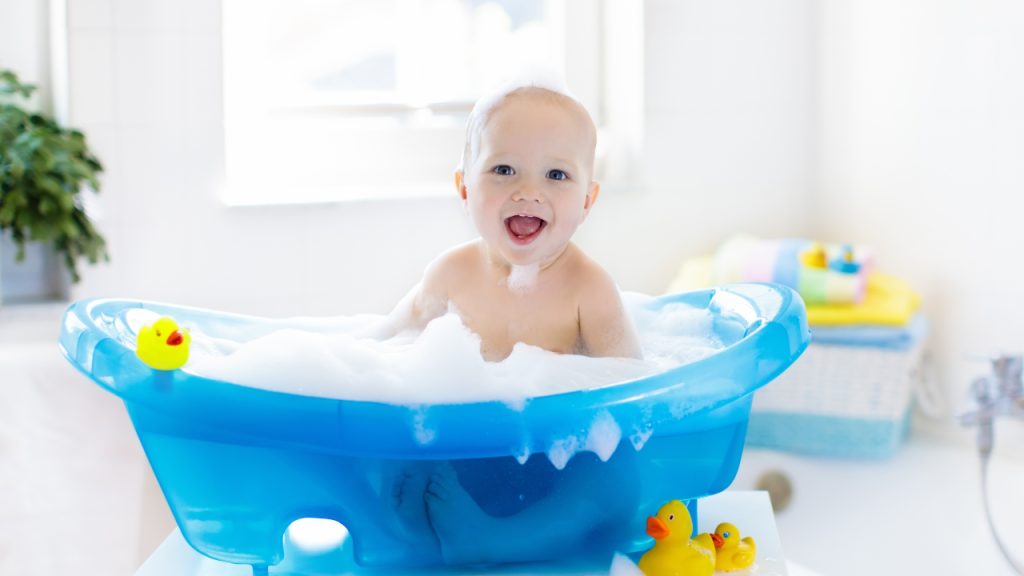
Babies’ skin is softer and more sensitive than adult skin. After swimming, pool water can sit on the skin and may cause dryness if it is not rinsed away.
A quick rinse with fresh, lukewarm water helps remove chlorine or pool water residue. It can also help your baby feel warm, clean and comfortable after their lesson. At Swim4Life, we carefully maintain our pool water and use only the amount of chlorine needed to help keep the water clean and safe. However, babies naturally have soft and sensitive skin, so it is still a good idea to rinse them after swimming.
This is especially important if your baby attends swimming lessons regularly. Even if your baby seems happy after class, making rinsing part of your post-swim routine can help protect their skin over time.
Does My Baby Need a Full Bath Every Time?
Your baby does not always need a long bath after every swimming lesson. If you are short on time, a gentle rinse is usually enough. The main goal is to wash pool water off your baby’s skin and hair. You can use fresh, lukewarm water and gently pat your baby dry with a soft towel afterwards.
If your baby has been in the pool for a longer session, has sunscreen on, or has particularly sensitive skin, a gentle bath at home may be more comfortable. Keep it simple and avoid using strong soaps or heavily scented products, as these can sometimes make dryness worse.
A mild baby cleanser can be used when needed, but it does not have to be used every time unless your baby’s skin needs it.
What Should Parents Do After Their Baby’s Swim Lesson?
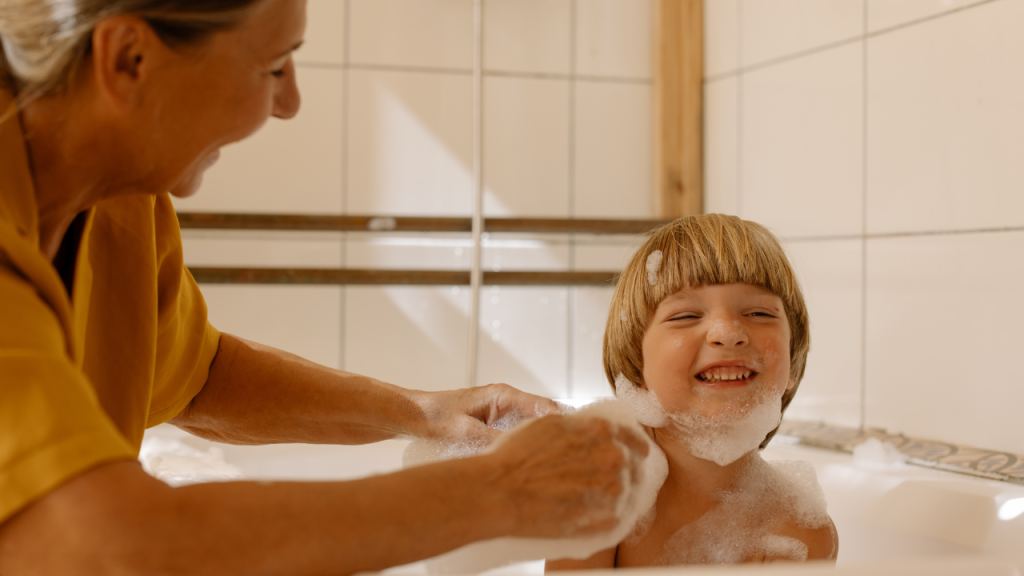
After your baby’s swimming lesson, a simple and gentle routine can help keep them comfortable, warm and settled. Parents do not need to overcomplicate post-swim care, but a few small steps can make a big difference, especially for babies with sensitive skin.
1. Rinse or Wash Your Baby’s Hair
It is also a good idea to rinse your baby’s hair after swimming, especially if their head has been under the water or their hair is wet from the pool.
Pool water can sometimes leave hair feeling dry or stiff. A gentle rinse with clean water can help remove residue and keep your baby’s scalp comfortable.
If your baby has very little hair, a simple rinse over the head is usually enough. If your baby has more hair, you may want to gently wash it with a mild baby shampoo when needed.
2. Care for Your Baby’s Skin Gently
After rinsing or bathing your baby, gently pat their skin dry instead of rubbing. This helps avoid unnecessary friction, especially if their skin is already sensitive.
If your baby’s skin tends to become dry after swimming, you may choose to apply a gentle, fragrance-free moisturiser after they are dry. This can help support the skin barrier and keep your baby feeling comfortable.
Parents of babies with eczema or ongoing skin concerns should follow advice from their doctor, nurse or healthcare professional. Every baby’s skin is different, and some children may need a more specific skincare routine.
3. Keep Your Baby Warm After Swimming
After swimming, babies can get cold quickly. Once your baby is out of the pool, wrap them in a warm towel and change them into dry clothes as soon as possible.
If you are rinsing your baby at the pool, try to keep the shower warm but not hot. Lukewarm water is usually best. After rinsing, dry them gently and dress them in comfortable layers before heading home.
Keeping your baby warm after swimming helps make the whole experience more positive. When babies feel comfortable after class, they are more likely to enjoy returning to the pool next time.
4. Watch for Dryness or Irritation
A little dryness after swimming can happen, especially if your baby has sensitive skin. In many cases, rinsing after lessons and using a gentle moisturiser can help.
However, if your baby’s skin becomes very red, itchy, irritated or uncomfortable, it is best to speak with a healthcare professional. It may not be related to swimming alone, and your baby may need a skincare routine suited to their skin type.
You should also avoid applying strong products without advice, especially on very young babies or babies with eczema-prone skin.
- Explore more: Babies and Swimming: All You Need to Know
Should Babies Shower Before Swimming Too?
Many swim schools encourage swimmers to shower before entering the pool. For babies, this can be as simple as a quick rinse before class.
A pre-swim rinse helps remove sweat, lotions or other products from the skin before entering the water. It also helps support good pool hygiene for everyone. For babies, the pre-swim routine does not need to be complicated. A quick rinse and a clean swim nappy are usually enough before joining class.
Making Post-Swim Care Part of the Routine
The best post-swim routine is simple, gentle and consistent. After class, rinse your baby with fresh water, dry them softly, dress them warmly and moisturise if needed. This routine does not need to take long, but it can help your baby stay comfortable after swimming.
Over time, your baby will become familiar with the routine. Swimming, rinsing, drying and changing can all become part of a calm and positive experience.
At Swim4Life, our baby swimming lessons are designed to help little swimmers feel comfortable, safe and happy in the water. We understand that every baby is different, and our caring instructors support families with gentle, age-appropriate lessons that build early water confidence.
Book a baby swimming lesson with Swim4Life today and help your little one make a happy splash.
Frequently Asked Questions
Do babies need a bath after every swimming lesson?
Babies do not always need a full bath after every lesson, but it is a good idea to rinse them with fresh water after swimming. This helps remove pool water from their skin and hair.
Can chlorine irritate baby skin?
Some babies may experience dryness or irritation after swimming, especially if they have sensitive skin. Rinsing after lessons and using a gentle moisturiser may help keep the skin comfortable.
Should I use soap after baby swimming lessons?
You do not always need soap after every swim. If you do use a cleanser, choose a mild baby-friendly option and avoid strong fragrances.
Should I moisturise my baby after swimming?
If your baby’s skin becomes dry after swimming, a gentle, fragrance-free moisturiser may help. If your baby has eczema or sensitive skin, follow advice from your healthcare professional.