Beginner swimming classes for adults are designed for people with little or no previous experience in the water, as well as those returning after a long break or looking to rebuild basic skills. Some new swimmers may be unable to swim independently, while others can manage a short distance but struggle with breathing, floating or maintaining an effective stroke.
Learning starts with the fundamentals rather than expecting someone to complete laps straight away. Breathing, balance, body position and controlled movement are developed first, then combined progressively into a more complete swimming technique.
Can You Learn to Swim as an Adult?
Yes. Learning to swim is not limited to childhood, and no minimum swimming ability is required to begin. Someone starting from scratch may first work on entering the water, submersion, breathing and floating, while a person with some previous experience may begin with stroke technique or breathing coordination.
Feeling unsure in deeper water is also a common starting point. In this situation, lessons can begin at an appropriate depth and progress as water control improves. People who find this particularly challenging can also read more about overcoming a fear of swimming.
Benefits of Learning to Swim Later in Life
Learning to swim develops a practical life skill while also creating more opportunities for exercise, recreation and participation around water.
Key benefits include:
- Cardiovascular fitness: Swimming can build endurance as distance and duration gradually increase.
- Whole-body movement: The arms, legs and core work together to move the body through the water.
- Low-impact exercise: Water reduces load on weight-bearing joints compared with many land-based activities.
- Stress management: Regular physical activity in the pool can support relaxation and general wellbeing.
- Greater confidence in the water: Better swimming ability can make pools, holidays and other aquatic activities more accessible.
- More options for exercise: Once the fundamentals are established, swimming can become part of a regular fitness routine.
Those who want to use the pool for ongoing exercise can also explore swimming for fitness and weight management after developing enough technique to swim independently.
Ways to Learn Swimming as a Beginner
There are two common approaches: independent practice and structured instruction. Both can be useful, but they serve different purposes.
Independent practice works best for repeating skills that have already been introduced, such as breathing, floating or gliding. It is less suitable as the main learning method for someone who cannot yet swim independently, as inefficient movements can become harder to correct if they are practised repeatedly.
Structured classes provide a clearer progression. An instructor can identify whether breathing, balance, kicking or body position is limiting progress and adjust the lesson accordingly. For new swimmers, independent practice is therefore most useful as reinforcement between lessons rather than a replacement for instruction.
Essential Skills for New Swimmers
The early focus should be on control rather than speed or distance. Learning individual components first makes it easier to combine them into a complete stroke later.
Foundation skills usually include:
- Water familiarisation: Becoming comfortable entering, standing and moving through the pool.
- Breathing control: Learning to exhale into the water and take the next breath without rushing.
- Floating and balance: Finding a stable position and returning safely to standing.
- Body position: Maintaining better alignment to reduce unnecessary resistance.
- Gliding: Holding a streamlined position while moving through the water.
- Kicking: Developing controlled propulsion without excessive effort.
- Stroke coordination: Bringing breathing, arm movement and kicking together progressively.
- Distance and endurance: Increasing how far the swimmer can travel once technique becomes more consistent.
Not everyone needs the same amount of time on each skill. Someone who already floats comfortably may spend more time on breathing or stroke coordination, while a complete newcomer may need several sessions focused on water familiarisation first.
How Often Should Beginners Have Swimming Lessons?
There is no single schedule that suits everyone. Work hours, family commitments, access to the pool and personal goals all affect how regularly lessons can be attended.
For many new swimmers, one lesson per week is a practical starting point. It provides regular instruction without making the schedule difficult to maintain. A separate practice session can then be added where suitable pool access and supervision are available.
A simple approach is:
- One lesson per week: A realistic starting point for people balancing swimming with work and other commitments.
- One lesson plus practice: Useful for repeating breathing, floating and technique drills between classes.
- Two lessons per week: Suitable for those who want more frequent instruction and can maintain the schedule consistently.
Consistency matters more than choosing an ambitious timetable that is regularly missed. Someone who cannot yet swim independently should also practise only in an appropriate aquatic environment with suitable supervision.
Choosing Between Group and Private Lessons
The right class format depends on the swimmer’s starting point, confidence and preferred level of instructor attention.
Small group classes suit people who are comfortable learning alongside others at a similar ability. They provide structured teaching while allowing time to practise each exercise between corrections.
Private lessons provide one-to-one instruction and can be useful for someone who prefers greater privacy, has very limited water experience or wants to work intensively on a specific area such as breathing, floating or stroke technique.
Some learners may begin privately and move into a group setting once the foundations are established. Adults comparing nearby options can also review swimming lessons in Tarneit, Hoppers Crossing and Werribee before deciding which format and location suit them best.
Beginner Swimming Classes for Adults at Swim4Life
Swim4Life offers beginner swimming classes for adults at Tarneit and Williams Landing, with programs available for complete beginners through to intermediate and advanced swimmers. Lessons can start with water confidence, breathing, floating and basic movement before progressing into stroke development according to the swimmer’s current ability.
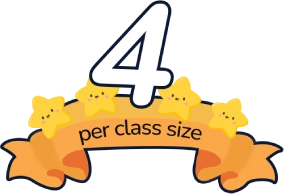
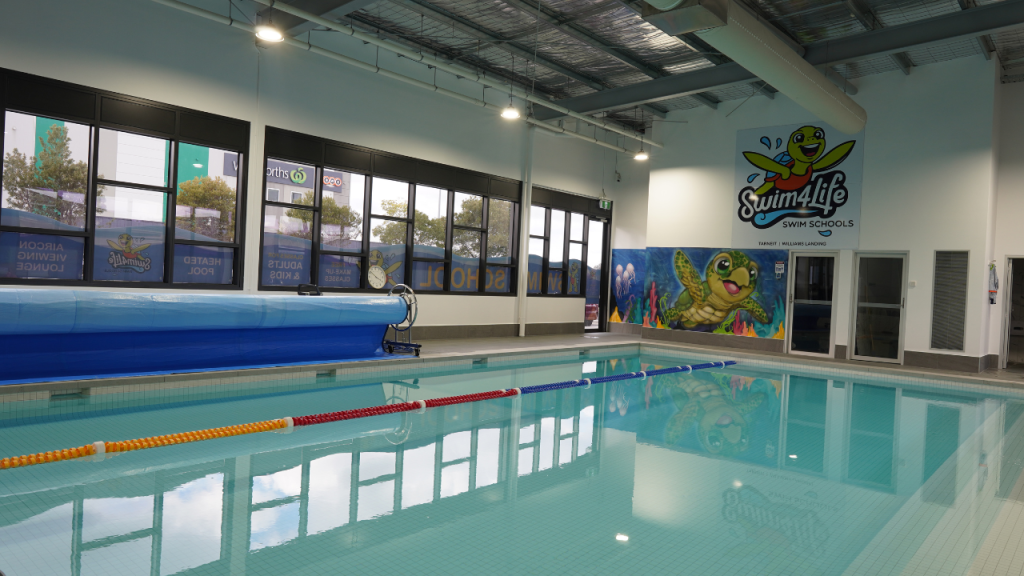
Both locations use purpose-built 32°C magnesium pools with multiple depths, creating an environment suited to progressive learning throughout the year. Small classes give instructors more opportunity to observe technique and provide individual feedback, while private one-to-one lessons are available for those who prefer more personalised instruction.
Adult swimming lessons in Tarneit are convenient for people from Hoppers Crossing, Werribee, Truganina, Wyndham Vale, Manor Lakes, Mount Cottrell and Derrimut. The Williams Landing swimming school also provides a convenient option for Point Cook, Laverton, Altona Meadows, Seabrook, Truganina, Hoppers Crossing and surrounding suburbs across Melbourne’s west.
Whether the goal is learning from the beginning, becoming more comfortable in the water or developing the technique needed for regular exercise, instruction can begin at the swimmer’s current level and build progressively from there.
FAQs About Beginner Swimming Classes for Adults
Can I Learn to Swim If I Have No Experience?
Yes. Complete beginners can start with breathing, floating, basic movement and water familiarisation before progressing to full swimming strokes.
Is It Too Late to Start Learning to Swim?
No. People can begin at different ages and ability levels. The starting point is based on current swimming ability and comfort in the water rather than age.
How Many Lessons Will I Need?
There is no fixed number. Progress depends on previous experience, water confidence, attendance and the skills being developed.
How Often Should I Attend Swimming Classes?
One lesson per week is a practical starting point for many beginners. An additional practice session or second lesson can be added when time and suitable pool access allow.
Are Group or Private Lessons Better for Beginners?
Both can work. Group classes suit people comfortable learning with others, while private lessons offer more individual attention and privacy.
Do I Need to Know How to Float Before Starting?
No. Floating is one of the fundamental skills that can be taught during beginner lessons.
Can Swimming Lessons Help with a Fear of Water?
Yes. Lessons can begin with breathing, floating and controlled movement at an appropriate depth before gradually progressing to more challenging skills.
Where Can I Find Beginner Swimming Classes for Adults in Melbourne’s West?
Swim4Life offers beginner classes at Tarneit and Williams Landing, serving nearby areas including Werribee, Hoppers Crossing, Truganina, Point Cook, Laverton, Wyndham Vale, Manor Lakes and surrounding suburbs across Melbourne’s west.