

Swimming is an effective form of aerobic exercise that engages the upper body, lower body and core while allowing you to adjust the intensity of each workout. It can support weight loss by increasing energy expenditure and helping you build a consistent exercise routine.
Swimming is also a lower-impact option for people who find running or other land-based exercise uncomfortable. If you are not yet confident enough to exercise independently in the pool, adult swimming lessons can help you improve your breathing, technique and water confidence before starting regular swim workouts.
Is Swimming Good for Weight Loss?
Yes. Swimming is a form of aerobic exercise that can increase energy expenditure while improving cardiovascular fitness. When performed regularly and combined with an appropriate overall energy balance, it can contribute to reductions in body weight and body fat.
According to a 2024 meta-analysis of randomised clinical trials, greater amounts of aerobic exercise were associated with reductions in body weight, waist circumference and body fat among adults with overweight or obesity. The researchers found that more than 150 minutes of moderate-intensity aerobic exercise per week may be needed to produce clinically meaningful reductions in body weight and waist circumference, although individual results vary.
6 Benefits of Swimming for Weight Loss
Swimming can support weight loss by increasing weekly aerobic activity, improving fitness and providing a lower-impact way to exercise consistently. Its value comes not from one specific stroke or workout, but from how effectively it helps you build and maintain a sufficient amount of physical activity over time.
1. Swimming Can Support Improvements in Body Composition
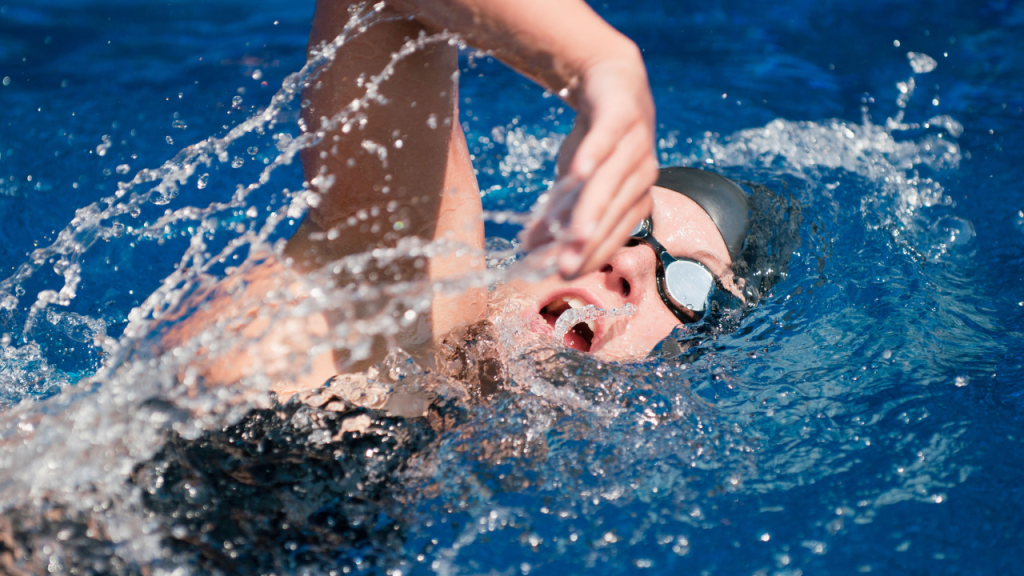
Regular swimming can contribute to favourable changes in body composition, including measures such as body fat, particularly when it is performed consistently as part of an active lifestyle. This makes swimming relevant to weight management beyond simply tracking changes on the scale.
A 2024 systematic review examining the health benefits of different sports found that swimming was associated with favourable effects on body composition and blood lipid profiles. While individual results vary, the findings support swimming as a meaningful form of exercise for improving overall body composition.
2. Swimming Helps Build the Aerobic Exercise Volume Linked to Weight Loss
Weight-loss outcomes are influenced by the total amount of aerobic activity completed over time rather than by one particularly demanding workout. Swimming can contribute to this weekly exercise volume through steady sessions, intervals or a combination of both.
According to a 2024 meta-analysis of 116 randomised clinical trials, increasing aerobic exercise was associated with progressive reductions in body weight, waist circumference and body fat in adults with overweight or obesity. The researchers found that more than 150 minutes of moderate-to-vigorous aerobic activity per week may be needed for clinically meaningful reductions in waist circumference and body fat, although this evidence applies to aerobic exercise generally rather than swimming alone.
3. Swimming Can Improve Cardiorespiratory Fitness
Regular swimming places sustained demand on the heart and lungs, which can improve the body’s ability to deliver and use oxygen during exercise. As fitness improves, swimmers may be able to exercise for longer or maintain a higher workload without becoming fatigued as quickly.
A systematic review of the physiological effects of swim training reported substantial improvements in cardiorespiratory fitness across several populations. For people using swimming for weight loss, better aerobic fitness can make it easier to gradually increase session duration and total weekly activity.
4. Swimming Provides a Lower-Impact Way to Exercise Regularly
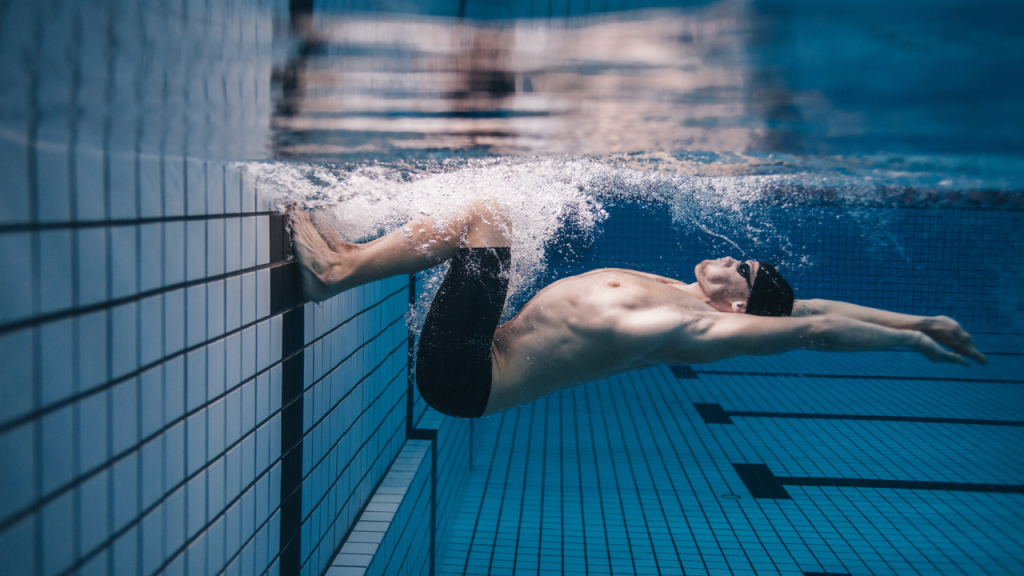
The buoyancy of water reduces the amount of body weight supported through the joints during exercise. This can make swimming a practical option for people who find repeated impact from activities such as running or jumping uncomfortable.
The Victorian Government’s Better Health Channel describes swimming as a low-impact activity that can build endurance, cardiovascular fitness and muscle strength while placing less impact stress on the body. For weight management, an exercise that is comfortable enough to perform consistently can be more useful than a higher-impact activity that is difficult to maintain.
5. Swimming Intensity Can Be Adjusted as Fitness Improves
The physical demand of swimming changes with factors such as pace, stroke and swimming efficiency. This allows workouts to progress from easy continuous swimming to moderate aerobic sessions and shorter higher-intensity intervals without requiring every workout to be performed at maximum effort.
A study comparing energy expenditure across the four competitive swimming strokes found significant differences in energy demand between strokes at the swimming velocities tested. Because the participants were trained competitive swimmers, the results should not be used to predict exact calorie expenditure for recreational swimmers, but they do show that swimming workload can vary substantially with stroke and pace.
6. Structured Swimming Can Contribute to Weight and Fat Reduction
The strongest weight-management benefits are more likely to come from structured, repeated swimming rather than occasional recreational sessions. Regular swim training gives you a consistent way to increase aerobic activity while building endurance over time.
In the Sedentary Women Exercise Adherence Trial, researchers comparing swimming with walking in older women found that swimming produced favourable changes in body weight and body-fat distribution over the study period. Although the participants were a specific population and the results should not be generalised to everyone, the study provides direct evidence that structured swimming can form part of an effective longer-term weight-management programme.
How Often Should You Swim for Weight Loss?
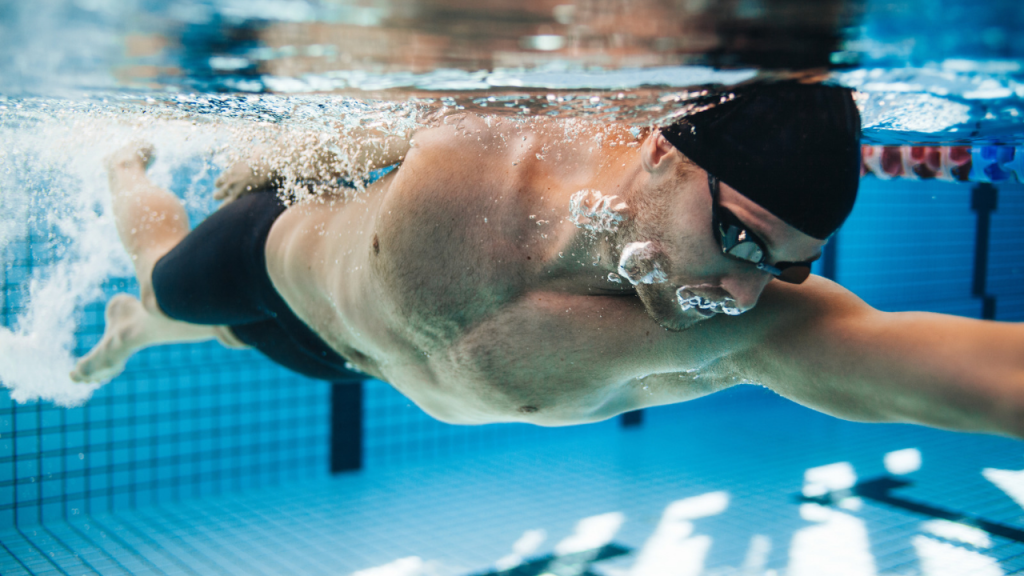
There is no fixed amount of swimming that guarantees weight loss because results depend on factors such as your total activity, nutrition, starting body composition and individual energy requirements. If you are new to fitness swimming, three sessions of around 25–30 minutes per week can provide a manageable starting point before gradually increasing duration.
The Australian Government physical activity guidelines recommend that adults accumulate moderate- to vigorous-intensity activity for at least 30 minutes on most days, alongside muscle-strengthening activities on two or more days each week. Swimming can contribute to this weekly activity target, but it does not need to be your only form of exercise. As fitness improves, gradually increase either your swimming time or intensity rather than increasing both at once.
4-Week Swimming Program for Weight Loss
The following swimming program for weight loss is designed for adults who can already swim independently and want to build a more consistent fitness routine. The programme gradually increases duration and introduces controlled intervals rather than expecting you to swim hard from the first week.
| Week | Frequency | Session Length | Main Focus |
| Week 1 | 3 sessions | 25–30 minutes | Build a regular routine and focus on comfortable, controlled swimming |
| Week 2 | 3 sessions | 30–35 minutes | Gradually increase the amount of steady swimming |
| Week 3 | 3 sessions + 1 optional easy swim | 35–40 minutes | Introduce short intervals while maintaining good technique |
| Week 4 | 3 sessions + 1 optional easy swim | 40–45 minutes | Build endurance and increase overall weekly swimming time |
During Week 1, keep most of your swimming easy to moderate and focus on controlled breathing and technique. In Week 2, extend the amount of continuous swimming by alternating two to three minutes of steady swimming with shorter recovery periods. The aim is to increase the amount of useful training you can complete comfortably.
During Week 3, introduce short intervals such as 30 seconds of brisk swimming followed by 60 seconds of easy swimming. By Week 4, combine steady swimming with several intervals and gradually work towards sessions of around 40–45 minutes if your fitness allows. This swimming weight loss plan should be treated as the beginning of a longer routine rather than a four-week shortcut to a specific amount of weight loss.
How to Make Swimming More Effective for Weight Loss
The most effective swimming routine is one you can repeat consistently while gradually increasing the amount of exercise you can manage. Start with a realistic number of sessions, maintain controlled technique and build duration before adding large amounts of higher-intensity work.

You can improve your overall programme by combining several practical strategies:
- Swim consistently: Aim for regular weekly sessions instead of occasional hard workouts.
- Increase gradually: Build duration first, then add more challenging intervals.
- Use intervals strategically: Short faster efforts can increase intensity without making the entire workout demanding.
- Maintain good technique: Better swimming efficiency can help you exercise for longer.
- Track fitness progress: Monitor duration, distance and workout comfort rather than focusing only on body weight.
- Include strength training: Australian guidelines also recommend muscle-strengthening activity at least twice per week.
- Consider your overall diet: Exercise supports weight management, but energy intake remains an important part of the equation.
Swimming can also support wellbeing beyond body composition. Regular aquatic exercise may help people maintain an enjoyable exercise routine while providing broader physical and mental health benefits.
Learn more about the mental health benefits of swimming.
What If You Are Not Yet Confident Enough to Follow the Plan?
Swimming speed is not the primary consideration for fitness-focused swimming; greater value comes from maintaining controlled breathing, efficient technique and confidence in the water. If fatigue occurs after short distances or deeper water remains challenging, improving swimming efficiency and water confidence should come before increasing session duration.
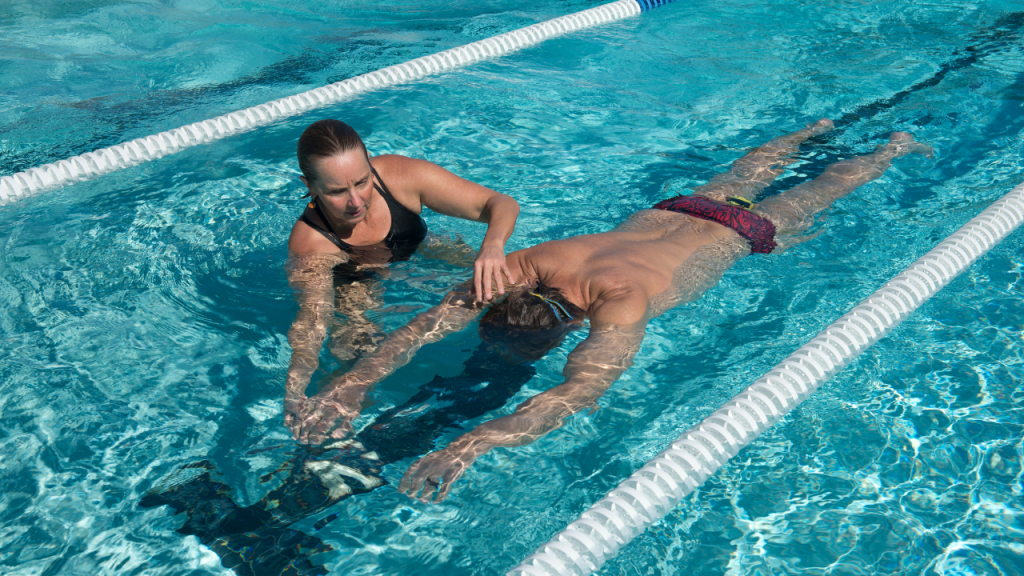
Swim4Life adult swimming lessons cater for adults from beginner through to advanced levels, with lessons covering water confidence, breathing, stroke technique and swimming efficiency. Developing these foundations can make it easier to progress towards independent fitness swimming and complete longer workouts safely and comfortably. If confidence is the main barrier, overcoming a fear of swimming is the key to become more comfortable in the water.
Start Swimming for Fitness With Swim4Life
Swimming can support weight loss more effectively when you maintain controlled breathing, efficient technique and enough confidence to sustain regular sessions. Building these fundamentals can help you swim for longer and get more value from each workout.
At Swim4Life, adults can develop these skills through structured swimming lessons at Tarneit and Williams Landing. Whether you are learning from the beginning or improving your technique before starting regular swim workouts, our instructors can help you develop the skills needed for more confident and efficient swimming. Explore our adult swimming lessons to find a suitable starting point for your fitness goals.
FAQs About Swimming for Weight Loss
How Many Times a Week Should I Swim to Lose Weight?
Three swimming sessions per week is a practical starting point for most beginners. As your fitness improves, you can increase session length or add another easy swim while keeping your overall weekly activity manageable.
How Long Should I Swim for Weight Loss?
Start with around 25–30 minutes per session and gradually build towards longer workouts. The total amount of aerobic activity you complete across the week matters more than hitting one exact session length.
Is 30 Minutes of Swimming Enough?
Yes, 30 minutes can make a useful contribution to your weekly exercise routine. Whether it leads to weight loss depends on how often you swim, your workout intensity and your overall energy balance.
Can Swimming Reduce Belly Fat?
Swimming can help reduce overall body fat when combined with an appropriate energy balance. However, it cannot specifically target fat loss from the abdominal area.
Are Swimming Intervals Good for Weight Loss?
Yes, intervals can increase workout intensity by alternating harder swimming with easier recovery. They work best as part of a balanced routine that also includes steady aerobic swimming.
Which Swimming Stroke Is Best for Weight Loss?
There is no single best stroke for weight loss. Choose a stroke that allows you to maintain good technique, an appropriate intensity and enough duration to exercise consistently.