

For many children, one swimming lesson per week is a practical place to start. Regular lessons provide consistent time in the water to practise new skills, build confidence and become familiar with their instructor and lesson routine. At Swim4Life, the recommended approach is to begin with one lesson per week and adjust frequency according to your child’s progress and instructor feedback.
How Often Should Children Have Swimming Lessons by Age?
Swimming lesson frequency can vary by age, as children develop different skills and learning needs at each stage.
Babies and Toddlers: 6 Months to 3 Years
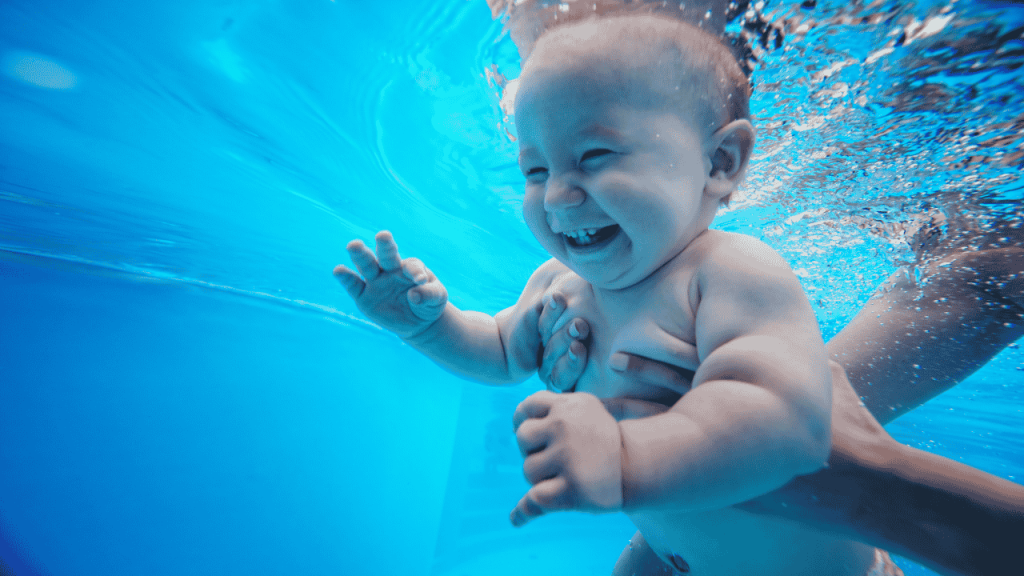
For babies and toddlers, one swimming lesson per week is a practical starting point. At this stage, lessons focus on water familiarity, confidence and age-appropriate early aquatic skills, so maintaining a comfortable and consistent routine is generally more important than increasing frequency. Additional lessons may be considered when the child is comfortable with their current routine and their instructor identifies a clear benefit from more practice.
For families ready to start early, explore Swim4Life’s baby and toddler swimming lessons designed to build water familiarity and confidence from around six months.
Preschool Children: 3 to 5 Years
Preschool children can begin developing more independent skills such as breath control, floating, kicking and basic swimming movements. One weekly lesson can provide a consistent foundation, while additional practice may help children who need more repetition to consolidate these developing skills.
A 2025 study on formal swimming lessons and water competency found that children aged 1–5 developed more components and higher levels of water competency after completing more formal swimming lessons.
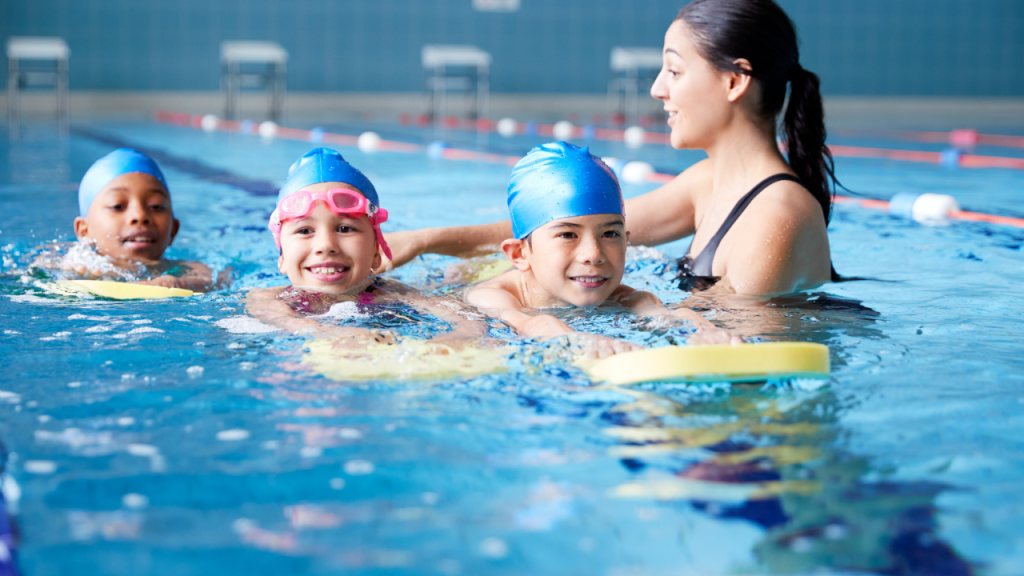
School-Aged Children: 6 Years and Over
For school-aged children, current swimming ability and learning goals should guide lesson frequency more than age alone. One weekly lesson may be suitable for children who are progressing steadily, while additional practice can be considered when they are developing specific skills such as breathing, stroke technique or endurance.
The importance of regular practice is also supported by Australian research involving children aged 5–12, which found an association between more frequent swimming participation and higher swimming and water-safety skill levels. While the study does not prescribe a specific number of weekly lessons, it supports maintaining consistent opportunities for children to practise and develop their swimming skills.
| Age Group | Recommended Starting Frequency | When to Consider More Practice |
| 6 months–3 years | 1 lesson per week | When the child is comfortable and the instructor recommends additional practice |
| 3–5 years | 1 lesson per week | When more repetition may support confidence or development of a particular skill |
| 6+ years | 1 lesson per week if progressing steadily | When working on technique, endurance or a specific swimming goal |
Is One Swimming Lesson a Week Enough?
For many children, yes. If your child attends consistently, retains skills from previous lessons and continues to progress, one swimming lesson each week can provide enough regular practice for steady development.
More lessons can provide additional opportunities to practise, but they are not automatically necessary. The most useful indicators are whether your child is retaining what they learn, becoming more confident and continuing to develop new swimming skills.
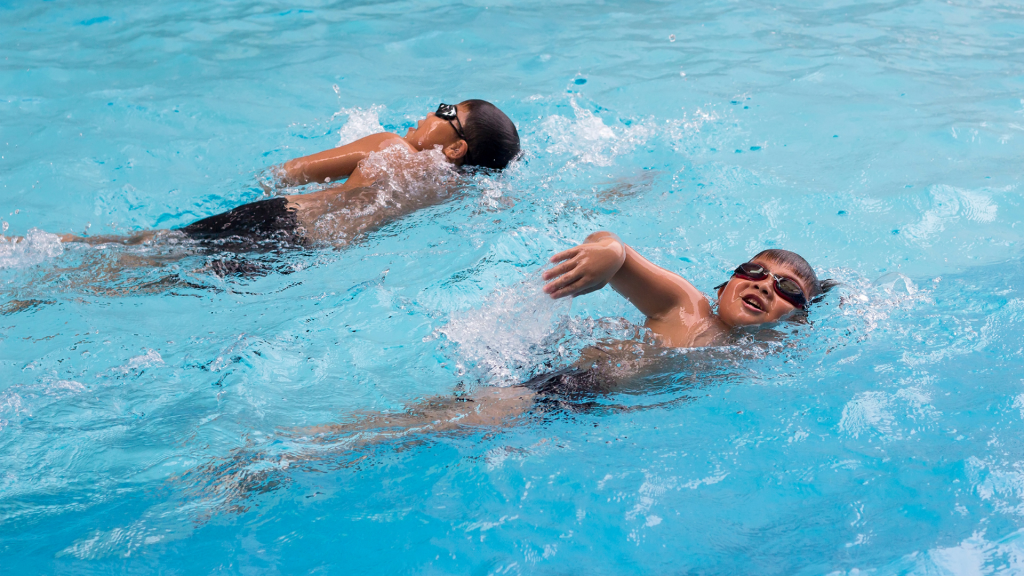
When Should Your Child Increase to Two Swimming Lessons a Week?
A second weekly lesson may provide valuable additional practice when your child needs to reinforce developing skills, regain confidence or maintain momentum between sessions.
Consider increasing to two weekly lessons when your child:
- Requires additional repetition to strengthen and retain skills between sessions.
- Returns after an extended break and needs to rebuild confidence and familiarity in the water.
- Focuses on a specific skill, such as breathing, kicking or stroke technique.
- Approaches the next level and would benefit from more frequent practice before progressing.
- Receives an instructor recommendation for additional practice based on their current development.
For children who require targeted support with a particular technique or water confidence, a one-on-one swimming lesson may provide a more focused approach than adding another group class.
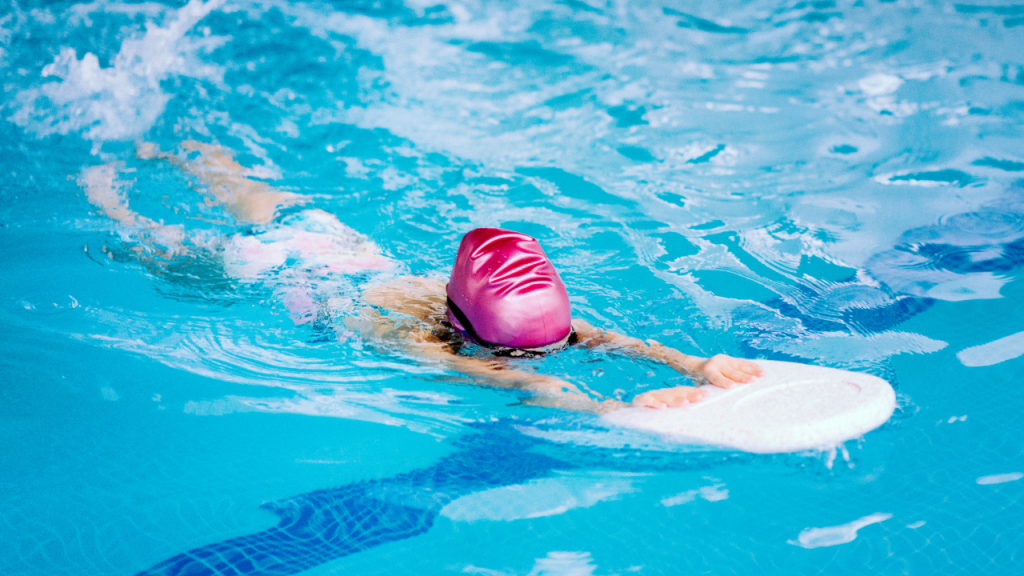
Weekly, Twice-Weekly or Intensive Lessons: Which Is Right?
Different lesson schedules suit different learning needs. Weekly lessons provide consistent long-term practice, while twice-weekly and intensive programmes can increase repetition when a child needs additional support with a particular stage or skill.
| Lesson Format | Best Suited To | Main Purpose |
| Weekly lessons | Children starting or progressing steadily | Regular practice and long-term development |
| Twice-weekly lessons | Children needing additional repetition | More frequent practice within the week |
| Intensive programmes | Children needing a short-term skill focus | Concentrated practice over several days |
Weekly and intensive swim programs serve different purposes rather than one format being universally better. Weekly lessons support routine and gradual progression, while intensive programmes can provide concentrated practice after missed lessons or when a child is working on a particular swimming skill.
Why Consistency Matters in Swimming Lessons
Swimming skills develop through repeated practice, so regular attendance gives children opportunities to reinforce familiar movements and build on what they have already learned. Long breaks can interrupt this continuity and may require children to spend time becoming familiar with previously practised skills when they return.
Royal Life Saving Australia encourages families to maintain swimming lessons during winter while children are still developing their swimming and water-safety skills. Families continuing through the colder months can also follow these winter swimming tips for kids to help children stay comfortable before and after lessons.
How Swim4Life Approaches Lesson Frequency
At Swim4Life, one swimming lesson per week is the recommended starting point. This allows children to settle into their lessons while giving instructors time to observe their confidence, ability and response to instruction before deciding whether additional practice would be beneficial.
Some children continue progressing well with weekly lessons, while others may benefit from a second lesson, an intensive programme or more individual support. Swim4Life’s small swimming classes also give instructors more opportunity to monitor individual development and provide personalised guidance.
Find the Right Swimming Lesson Schedule for Your Child
For most children, one swimming lesson per week is a sensible starting point, but the right frequency can change as their skills develop. Age provides useful guidance, while confidence, current ability, skill retention and progress provide a clearer indication of whether more practice is actually needed.
At Swim4Life, instructors can monitor your child’s progress and help determine whether weekly lessons, additional practice or more personalised instruction is appropriate. Families can access year-round programmes at the Tarneit swim school and Williams Landing, with lessons adapted to support each child’s current stage of swimming development.
Book a swimming lesson with Swim4Life today and help your child build stronger skills in the water.
FAQs About Swimming Lesson Frequency
How Soon Should My Child Move From One to Two Lessons a Week?
There is no fixed timeframe; consider a second lesson when your child needs more repetition or their instructor identifies a specific reason for additional practice. If they are progressing steadily, one weekly lesson may still be enough.
Should My Child Have Extra Lessons After a Long Break?
Extra lessons may help children rebuild confidence or revisit skills they have not practised for some time. Their instructor can assess whether temporarily increasing lesson frequency would be useful.
Can My Child Return to One Lesson a Week After Having Two?
Yes. If the additional practice is no longer needed and your child is progressing consistently, their schedule can return to one swimming lesson per week.