

The right swimming environment can make a big difference to how children learn. Some children feel more relaxed in a warm indoor pool, while others enjoy the open space of an outdoor setting. Both indoor and outdoor pools can support children’s swimming development, but they create different learning experiences.
For beginners, nervous swimmers and young children, comfort and consistency are especially important. When children feel safe and settled, they are more likely to listen, practise and build confidence in the water. So, which is better for children’s swimming lessons: indoor or outdoor pools?
Why the Pool Environment Matters for Kids
Children do not only learn from instructions. They also respond to the environment around them. If a pool feels too cold, too noisy, too busy or too distracting, children may find it harder to focus. They may become tense, unsettled or less willing to try new skills.
On the other hand, a calm and comfortable swimming environment can help children relax. When they feel safe, they are more likely to practise skills such as floating, kicking, blowing bubbles and putting their face in the water. For swimming lessons, confidence is just as important as technique. The right environment can help children feel ready to learn.
Benefits of Indoor Pools for Children
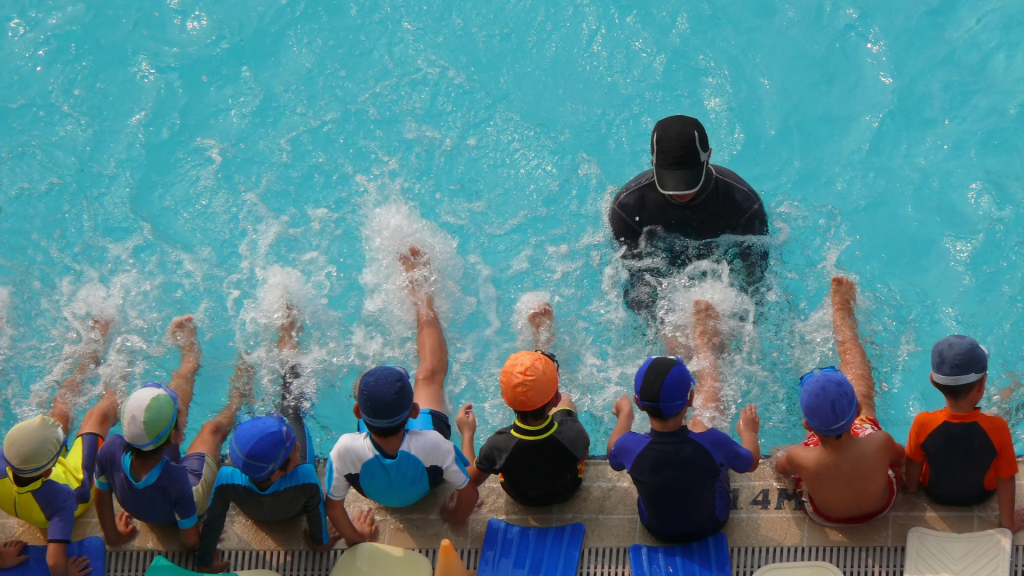
Indoor pools are often a popular choice for children’s swimming lessons because they provide a more controlled learning environment. This can be especially helpful for babies, toddlers, beginners and nervous swimmers who need consistency and comfort while learning.
- Provide Consistent Learning Conditions
One of the biggest advantages of indoor pools is consistency. Indoor swimming lessons are less affected by rain, wind, extreme heat or sudden weather changes. This makes it easier for children to attend lessons regularly and continue building their skills.
Consistency is important for swimming progress. When children come to lessons week after week, they have more opportunities to practise, remember skills and build confidence.
For beginners, avoiding long breaks can make a real difference. Regular practice helps the pool feel familiar and supports steady progress over time.
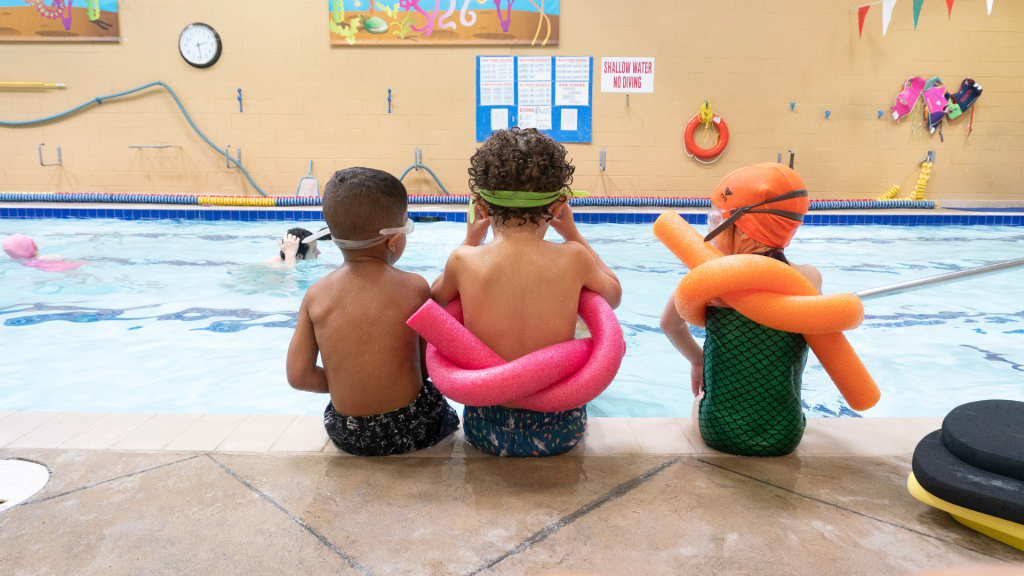
- Make a Feel Warmer and More Comfortable
Children often learn better when they are physically comfortable. Cold water can make children tense, distracted or reluctant to participate. When the pool environment feels warm and comfortable, children can focus more on the lesson and less on feeling cold or unsettled.
This is especially important for younger children and nervous swimmers. If they feel comfortable in the water, they are more likely to enjoy the lesson and try new skills. A comfortable swimming environment can help turn lessons into a positive experience, which is important for long-term confidence. That’s why at Swim4Life, we make sure the water temperature is constant throughout the year
- Indoor Pools Have Fewer Weather Disruptions
Outdoor pools can be affected by weather conditions such as wind, rain, strong sun and heat. These factors may distract children or make lessons less comfortable.
Indoor pools usually provide a more predictable environment. This can help children focus on listening to instructions, following the class routine and practising their swimming skills. For children who are easily distracted, anxious, or still getting used to the water, fewer disruptions can make learning smoother and more enjoyable.
- Support Year-Round Lessons
Swimming is a skill that improves with regular practice. Indoor pools make year-round swimming lessons easier because families do not need to rely on warm weather. This means children can continue learning through different seasons. Instead of swimming being something they only practise in summer, lessons can become part of their routine.
Year-round swimming helps children build stronger water confidence, better technique and greater safety awareness over time. For families who want consistent progress, indoor pools can offer a reliable learning environment.
Benefits of Outdoor Pools for Children
Outdoor pools also have benefits, especially for children who already feel confident in the water. Outdoor pools can also make swimming feel fun and connected to summer activities, family recreation and real-world water experiences.
- Help Children Experience Different Conditions
Many real-life swimming environments are outdoors. Children may swim in backyard pools, public pools, beaches or water parks. Outdoor pools can help children become more familiar with sunlight, wind, outdoor noise and open space. This can be useful for children who already have basic swimming skills and are ready to practise in different environments.
Learning to swim in different settings can help children become more adaptable. However, this works best when children already feel comfortable and confident in the water.
- Encourage Sun Safety Awareness
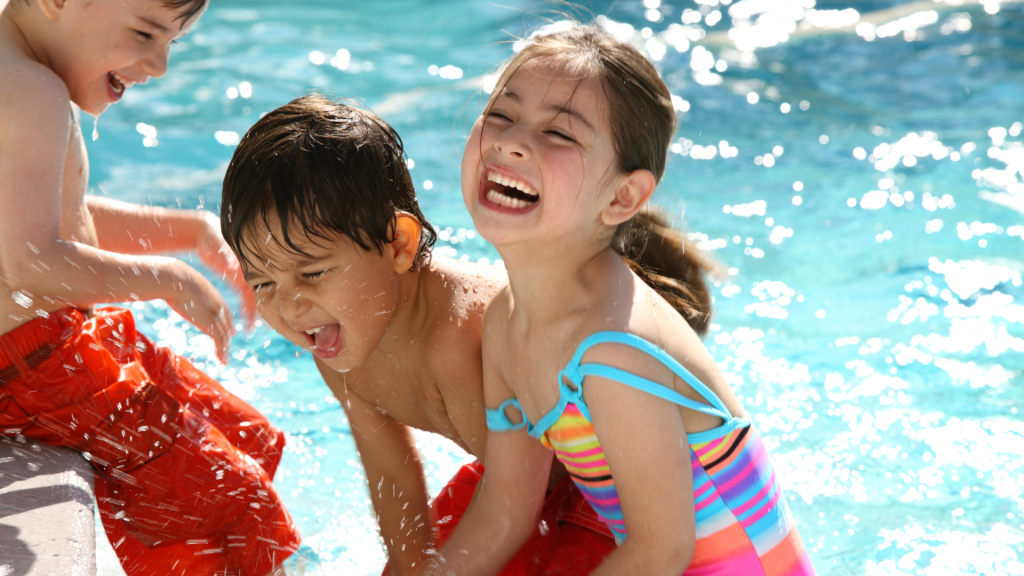
Outdoor swimming also allows families to teach children about sun safety. Children can learn why sunscreen, hats, shade, hydration and breaks from the sun are important. These habits are especially important for families in Australia, where children may spend time around outdoor pools and beaches during summer.
However, sun protection needs to be taken seriously. Children should always be protected from harsh UV exposure and closely supervised around water. Outdoor pools can be enjoyable, but safety and comfort should always come first.
Which Pool Is Better for Beginner Swimmers?
For many beginner swimmers, an indoor pool is often the better learning environment. Beginners need to focus on basic water skills such as feeling comfortable in the water, blowing bubbles, floating, kicking, listening to instructions and entering or exiting the pool safely.
A calm and consistent indoor environment can make these early steps easier. When children are not distracted by weather, cold water or outdoor noise, they may find it easier to concentrate and enjoy the lesson. This is especially important for children who are nervous or still building trust with their instructor.
Which Pool Is Better for Confident Swimmers?
Once children have developed strong water confidence and basic swimming skills, outdoor pools can offer a fun change of environment. They can help children practise in different conditions and become more adaptable around water.
However, outdoor swimming should still be supervised carefully. Even confident swimmers need adult supervision, clear boundaries and regular reminders about water safety. No matter where children swim, safety should always be the priority.
Explore more about The Benefits of 1:1 Swimming Classes for Your Kids
Indoor vs Outdoor Pools: Which One Should Parents Choose?
Both indoor and outdoor pools can support children’s swimming development, but they suit different needs.
Indoor pools are often better for babies, beginners, nervous swimmers and children who need consistency. They provide a more predictable environment, which can help children focus and build confidence. Outdoor pools can be a great option for confident swimmers, especially during warmer months. They help children experience different conditions and enjoy swimming in an open setting.
If your child is just starting their swimming journey, an indoor pool may offer the comfort and structure they need. If your child already feels confident in the water, outdoor swimming can be a valuable way to practise and build adaptability.
What Should Parents Look for in a Swimming Lesson Environment?
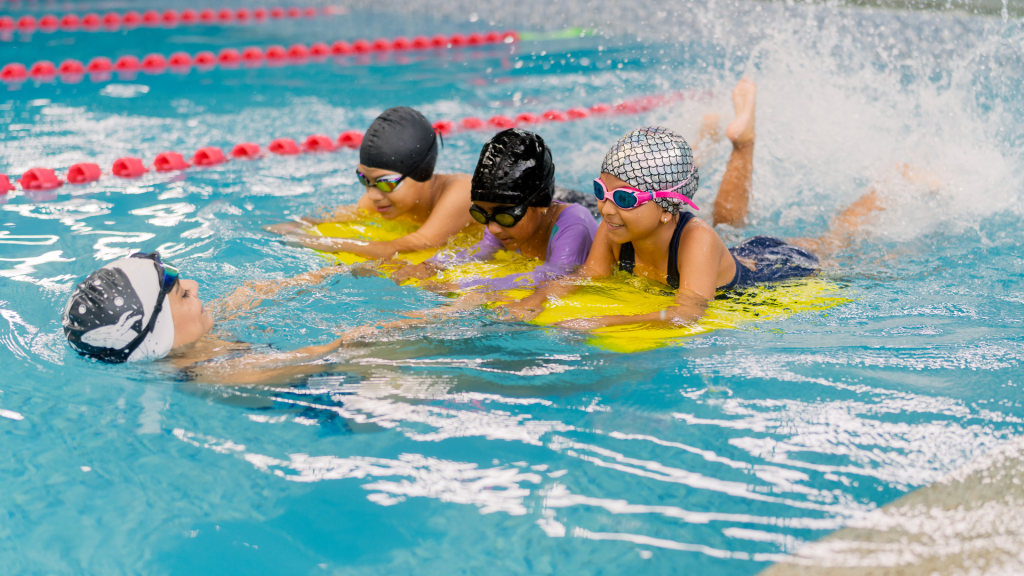
Whether the pool is indoor or outdoor, parents should focus on safety, teaching quality and comfort. A good swimming lesson environment should feel clean, safe and well supervised. Children should be taught by qualified instructors who understand how to support different ages, confidence levels and learning needs.
The class should be structured but encouraging. Children should feel supported rather than rushed. The pool should also be suitable for learning, with safe entry and exit points, comfortable conditions and a strong focus on water safety. The pool environment matters, but the quality of instruction matters just as much. Children learn best when they feel safe, encouraged and understood.
The best choice depends on your child’s age, confidence level and learning needs. What matters most is that your child feels safe, supported and ready to learn.
Learn to Swim in a Safe and Supportive Environment
At Swim4Life, we understand that every child’s swimming journey is different. Some children need gentle encouragement. Others are ready to build stronger skills and take on new challenges. Our goal is to create a safe, fun and supportive environment where children can build confidence in the water at their own pace.
With caring instructors and structured swimming lessons, Swim4Life helps children develop important swimming and water safety skills for life. Book a swimming lesson today and help your child make a confident splash with Swim4Life.