

Knowing things to pack for children’s swimming lessons can make lesson days much smoother for both you and your child. A well-prepared swim bag helps your child arrive comfortable, confident, and ready to learn, while saving you from last-minute stress before class.
| Essential Things to Bring | Optional Things to Bring |
| Well-fitting swimsuitLarge absorbent towelComplete change of clothesNon-slip footwearSwim nappy (babies and toddlers)Waterproof wet bagRefillable water bottleHealthy snack | GogglesSwim capWarm hoodie, dressing gown or onesie Familiar pool toy for younger or nervous swimmers |
In Australia, regular swimming lessons are an important part of helping children develop confidence in the water while building lifelong water safety skills. Most Australian swim schools provide the teaching equipment needed during lessons, so parents only need to focus on bringing the personal items their child will use.
Essential Things to Bring
1. A Well-Fitting Swimsuit
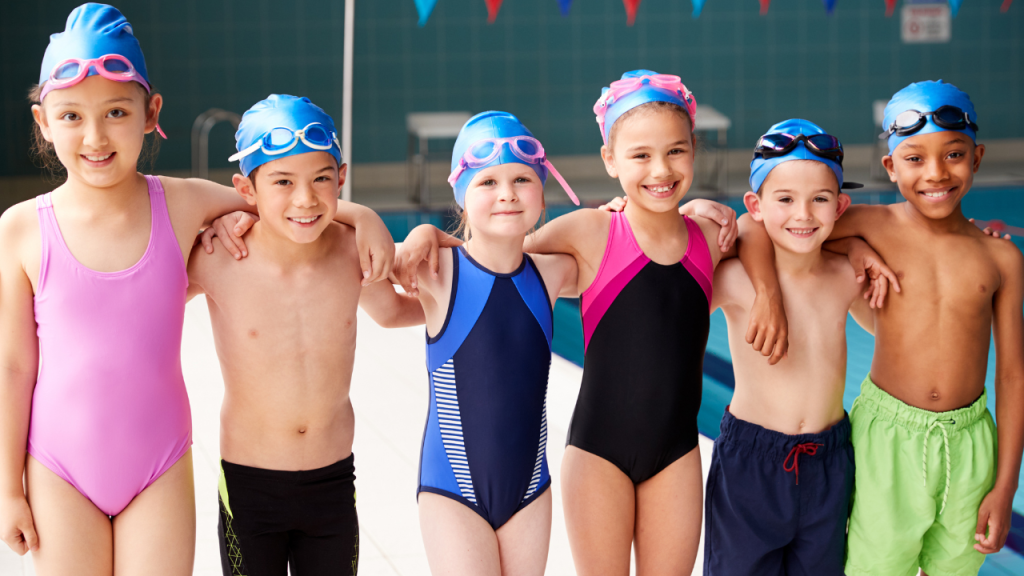
A comfortable, well-fitting swimsuit is the most important item in your child’s swim bag. Swimwear that fits properly allows children to move freely through the water without loose fabric getting in the way of kicking, floating, or practising new skills.
| For Girls | For Boys | Material |
| One-piece swimsuit for secure coverage and a comfortable fit during lessons. | Fitted swim trunks or jammers for better movement and less drag than board shorts. | Chlorine-resistant polyester or polyester-blend fabric for long-lasting durability and shape retention. |
2. A Large, Absorbent Towel
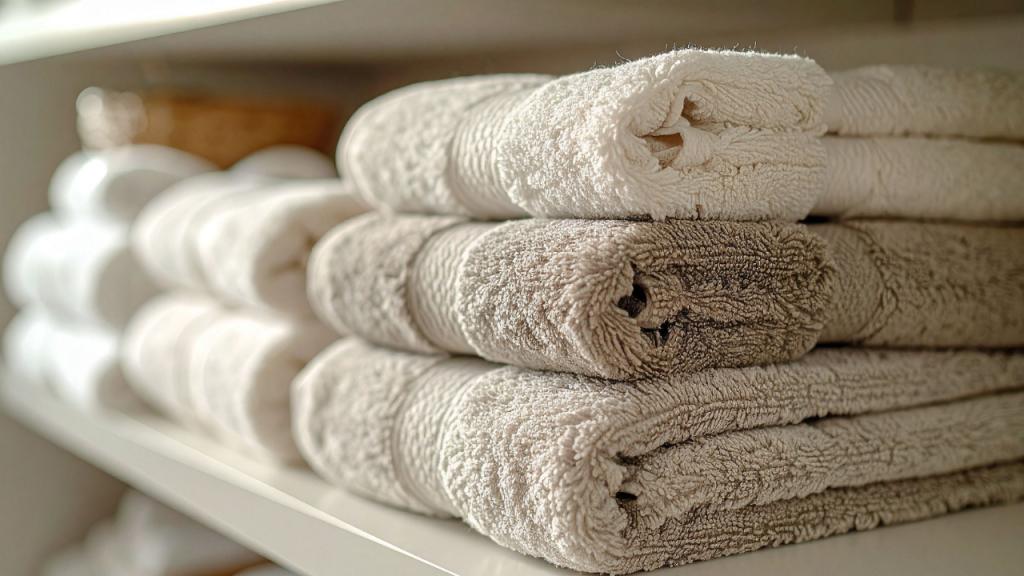
Children often cool down quickly after leaving the pool, even in heated indoor facilities. Packing a large towel helps them dry off faster and stay warm while walking to the change rooms.
Choose a towel that’s large enough to wrap comfortably around your child. Hooded towels work especially well for babies and younger children, while microfibre towels are lightweight, compact, and quick-drying. If your child swims weekly, having a second towel for after showering can also make the trip home more comfortable.
3. A Complete Change of Clothes
Changing into dry clothes after swimming helps children stay warm and comfortable, particularly during cooler weather. Pack a complete outfit including underwear, socks, and everyday clothes like tracksuit pants, leggings, T-shirts, and zip-up hoodies—they’re easy to put on with wet hair.
If your child is heading straight to school or childcare after their lesson, simply pack the clothes they’ll wear for the rest of the day instead of bringing an extra outfit.
4. Non-Slip Footwear
Pool surrounds and change rooms are naturally wet environments, so appropriate footwear helps reduce the risk of slipping. Slides, sandals, or thongs with textured soles are ideal because they’re easy to remove before lessons and quick to put back on afterwards.
They’re also more practical than runners or lace-up shoes, which can be difficult to manage with wet feet. Non-slip footwear keeps your child safe while moving around the pool area.
Find out the difference between Indoor and Outdoor Pools
5. Swim Nappies (For Babies and Toddlers)
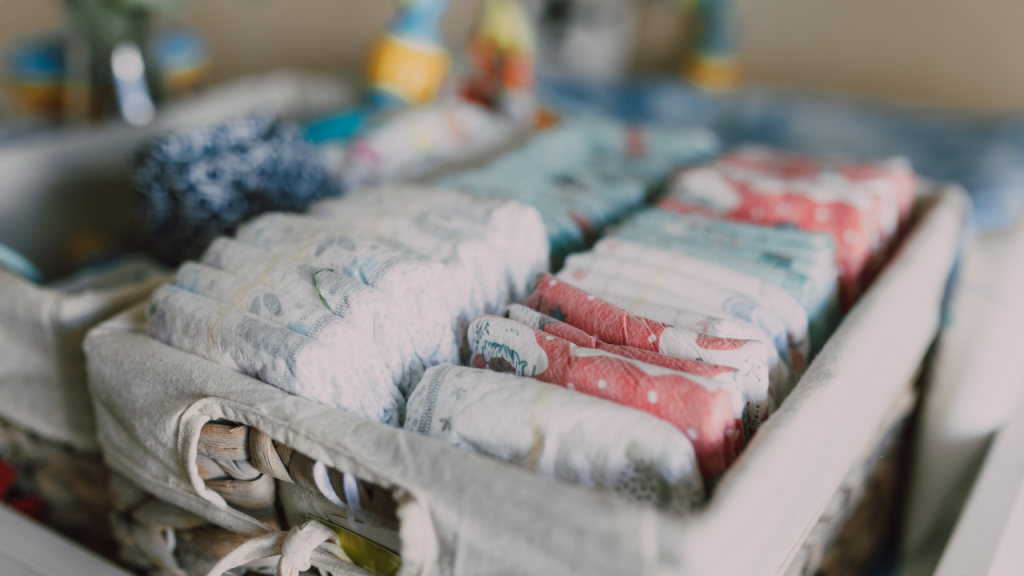
If your child still wears nappies, they’ll need to wear a swim nappy during their lesson. Swim nappies are specially designed for use in the water, containing solid waste without absorbing large amounts of pool water like regular nappies.
Reusable swim nappies are a practical choice for families attending lessons each week, while disposable swim nappies are suitable for occasional use. Whichever type you choose, pack a spare in case your child needs changing after the lesson. Regular nappies should never be used in the pool because they quickly absorb water and become heavy.
6. A Wet Bag
After every lesson you’ll have wet swimwear and towels that need to stay separate from your dry belongings. A waterproof wet bag keeps damp items contained, preventing water from soaking through the rest of your bag.
Most reusable wet bags are machine washable, easy to clean, and durable enough for years of regular use. If you’re attending your first lesson and don’t have a wet bag yet, a plastic bag works perfectly well as a temporary alternative.
7. Water Bottle and Healthy Snack
Swimming lessons are surprisingly active, so it’s common for children to feel hungry and thirsty afterwards. Pack a refillable water bottle together with a light snack such as fruit, yoghurt, a sandwich, or a muesli bar.
Rehydrating after swimming helps replace fluids lost during exercise, while a healthy snack gives children the energy they need before heading home or continuing with the rest of their day. Having a snack ready can also make the journey home much more enjoyable.
Optional Things to Bring
The following items aren’t essential for every swimming lesson, but they can improve your child’s comfort depending on their age, experience, and your swim school’s recommendations.
8. Goggles
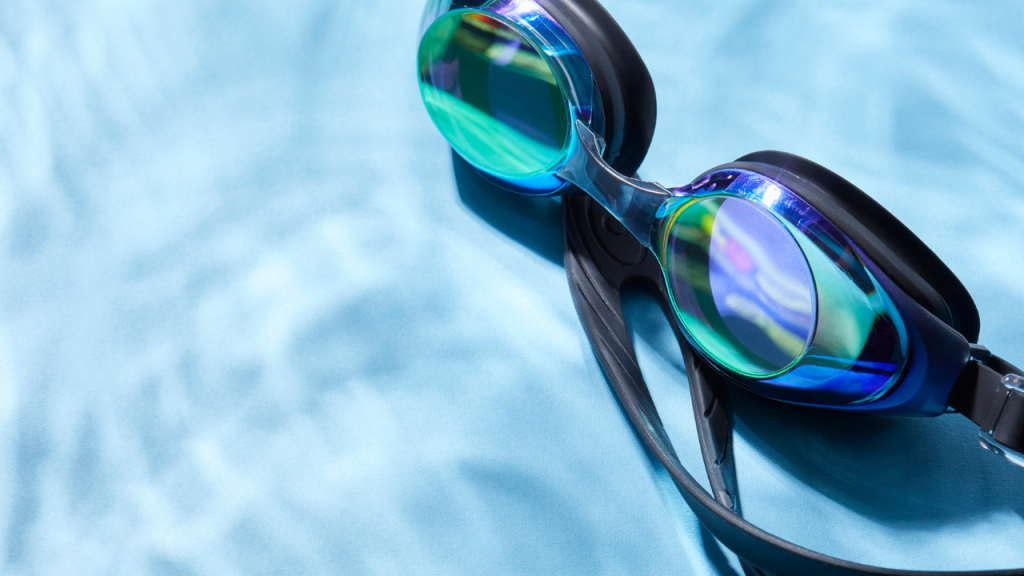
Goggles can make swimming more comfortable by reducing eye irritation and helping children see clearly underwater. That said, they’re not always necessary—many swim schools encourage beginners to build confidence in the water before relying on goggles.
If your child does use goggles, choose a pair with soft silicone seals and adjustable straps for a comfortable fit. A properly fitted pair should create a gentle seal around the eyes without feeling too tight.
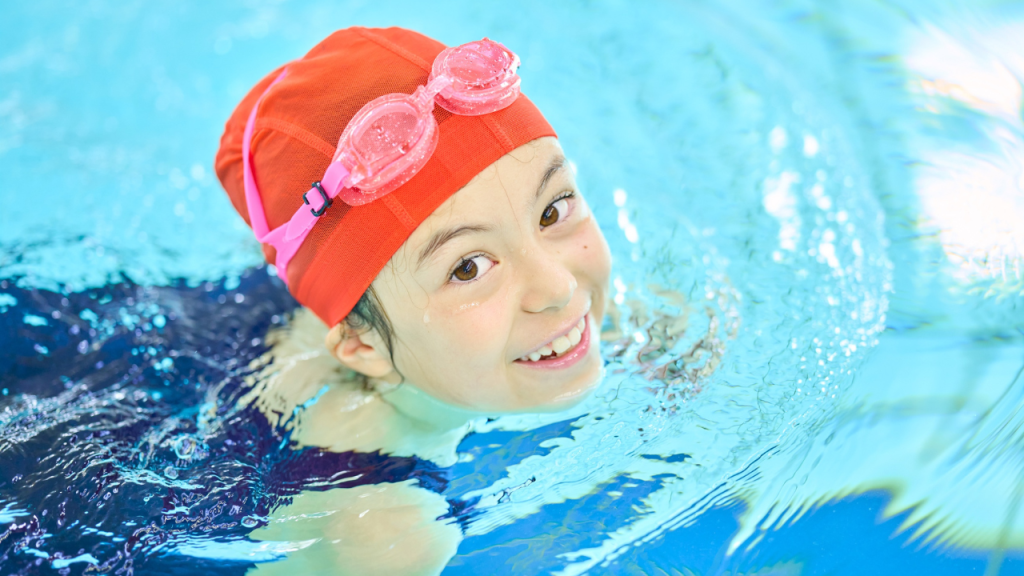
9. Swim Cap
While not essential for every lesson, many regular swimmers find that wearing a swim cap makes lessons more comfortable and easier to manage. A swim cap is particularly useful for children with medium or long hair. It helps keep hair away from the face during lessons, reduces tangles after swimming, and makes washing and drying hair much easier.
Some swim schools may also recommend or require swim caps for hygiene or squad training. Silicone swim caps are generally more durable and comfortable than latex caps, making them the preferred choice for regular swimmers.
10. A Warm Layer (Especially During Winter)
A warm layer isn’t essential for every child, but it’s highly recommended for babies, toddlers, or anyone swimming during the cooler months. Packing a fleece hoodie, tracksuit, dressing gown, or onesie helps children stay warm while moving from the pool to the car.
Younger children lose body heat more quickly than older children, so getting them dry and dressed promptly after their lesson helps keep them comfortable. For winter swimming, laying out warm clothes before the lesson begins can make changing afterwards much quicker.
Explore more Swimming Tips to Keep Kids Safe, Warm and Confident this winter
11. A Familiar Pool Toy
For younger children or first-time swimmers, bringing a small familiar pool toy can make the swimming environment feel less intimidating. A toy they already enjoy using around water may help them relax before the lesson and feel more confident near the pool.
Some instructors may use a suitable pool toy to encourage participation, support water familiarisation, or make simple activities feel more engaging. Check with the swim school first, as personal toys may not always be allowed during structured lessons.
Learn to Swim with Confidence at Swim4Life
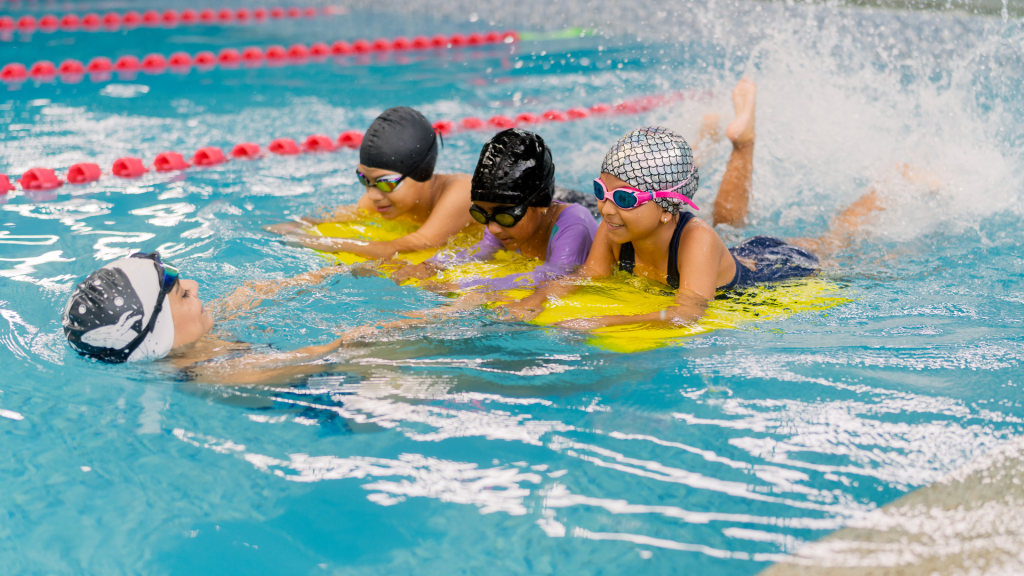
Having the right gear helps children feel comfortable and ready to learn, but choosing the right swim school is just as important. At Swim4Life, our children’s swimming lessons are designed to help every swimmer build confidence, develop essential water safety skills, and progress at their own pace.
Lessons are held in heated indoor pools throughout the year, creating a comfortable learning environment in every season. With small class sizes and experienced instructors, each child receives personalised guidance and plenty of opportunities to practise new skills while enjoying their time in the water.
Frequently Asked Questions
Are swim nappies different from regular nappies?
Yes. Swim nappies are specially designed for use in swimming pools. They help contain solid waste without absorbing large amounts of water, unlike regular nappies, which quickly become heavy and unsuitable for swimming.
Should I bring my own flotation devices?
No. Most swim schools provide all the teaching equipment needed during lessons. Personal flotation devices, including arm floaties and water wings, are generally discouraged because they can interfere with learning proper swimming techniques.
What should my child wear after swimming?
A complete change of dry clothes is recommended after every lesson. During cooler weather, packing a jumper, tracksuit, or other warm layer helps children stay comfortable on the way home.
How often should I replace swimwear?
High-quality chlorine-resistant swimwear typically lasts 6 to 12 months with regular weekly use. If the fabric begins to stretch, fade, or lose its shape, it’s time to replace it to ensure your child remains comfortable during lessons.