Knowing what to eat before and after swimming for kids can make lesson days easier to plan. The main consideration is timing: children need enough energy for swimming without starting class hungry or feeling overly full after a large meal.
For most learn-to-swim lessons, normal meals, familiar snacks and water are sufficient. What children eat will depend on when the lesson falls in relation to breakfast, lunch or dinner and how long it has been since they last ate.
How Long Before and After Swimming Should Kids Eat?
Children do not have to wait 30 minutes or an hour after eating before they can swim. The International Life Saving Federation guidance on eating before swimming found no evidence that eating before swimming increases drowning risk and does not recommend a mandatory waiting period.
Meal timing is still useful for avoiding hunger or stomach discomfort. For junior swimmers, Swimming Australia’s Fuelling and Recovery Food guide recommends a main meal 3–4 hours before training and a smaller snack 1–2 hours beforehand. If the next main meal is delayed by more than 60 minutes after swimming, a snack can be added after the session.
For parents, this gives a clear starting point:
- 3–4 hours before swimming: Plan the normal breakfast, lunch or dinner.
- 1–2 hours before swimming: Offer a smaller snack if the child is hungry.
- Within an hour after swimming: Continue with the next planned meal if it is due.
- More than an hour until the next meal: Pack a snack for after class.
These timings are meal-planning guidelines, not rules about when a child is allowed into the pool. A child who has eaten more recently can still swim; the size of the meal and how comfortable they feel are more relevant than waiting for a particular number of minutes.
What Kids Can Eat Before and After Swimming
For Children
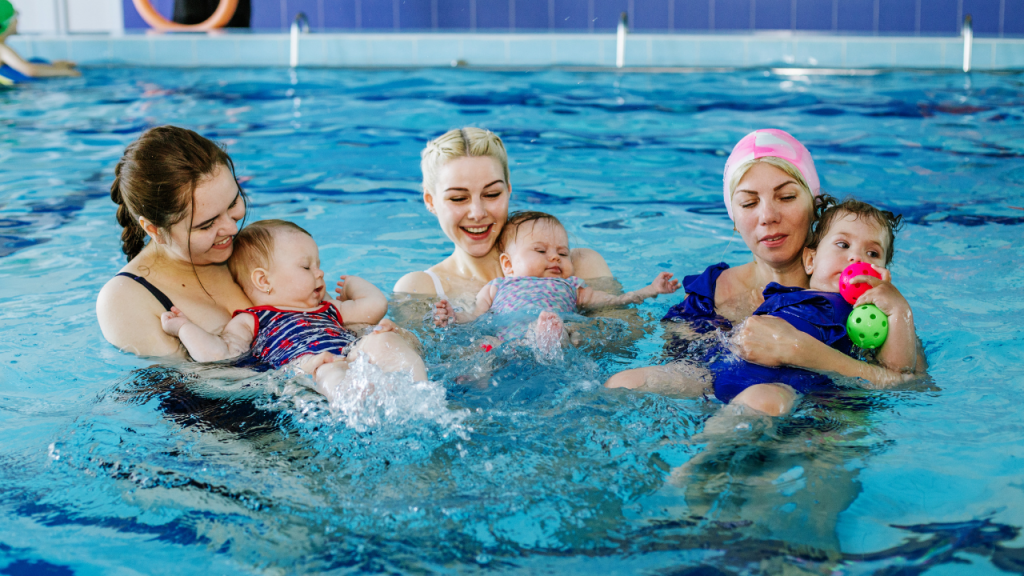
Before swimming, choose familiar foods that fit naturally between the child’s usual meals. Swimming Australia recommends a nutritious pre-training snack for junior swimmers when additional fuel is needed, particularly when training takes place later in the day after school.
Suitable options before swimming include:
- Banana or other fruit
- Yoghurt with fruit
- Cereal with milk
- Toast with cheese or another familiar topping
- A small sandwich
- A small wrap
- Crackers with cheese
For example, a child swimming after school may have gone several hours since lunch, so a sandwich, yoghurt or banana before class can cover that gap. If the lesson follows a recent meal and the child is not hungry, an additional snack is unnecessary.
After swimming, the next normal meal can usually follow. Swimming Australia recommends junior swimmers refuel with whole foods at their next meal or snack, using carbohydrate-containing foods alongside sources of protein. If the next meal is still more than an hour away, suitable options include:
- Yoghurt with fruit
- Cheese and crackers
- Eggs on toast
- A sandwich or wrap
- Cereal with milk
For a short learn-to-swim lesson, these are simply normal meals and snacks rather than specialised recovery foods.
For Babies and Toddlers
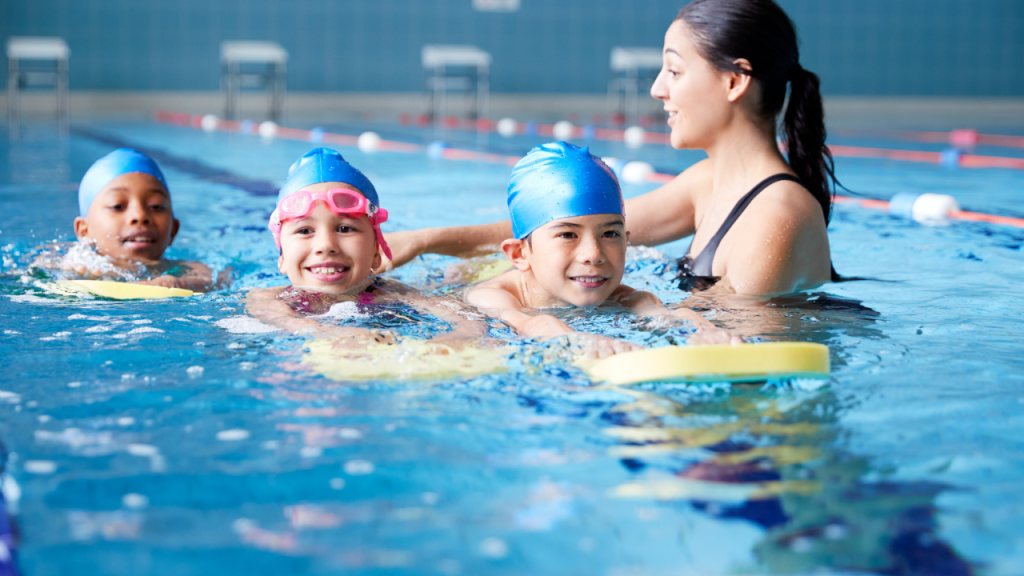
Babies and toddlers should generally continue with their established feeding schedule. Breastmilk, formula and familiar solids can be planned around the lesson without adding another feed simply because swimming is scheduled that day.
For toddlers already eating solids, familiar foods such as banana, yoghurt, cereal or toast are appropriate when they fit the child’s usual meal or snack time. Parents planning lessons around naps and feeds may also find it helpful to understand when babies can start swimming lessons, particularly when introducing swimming into an existing daily routine.
Hydration Before and After Swimming
Children should have access to water before and after swimming, particularly if the lesson falls after school or later in the day. For a standard learn-to-swim class, water is generally sufficient and sports drinks are not necessary.
A refillable water bottle is worth keeping in the swim bag so children can drink after class. For families getting ready for lessons, this can be packed alongside the other essentials for children’s swimming lessons
Foods and Drinks to Avoid Before and After Swimming
Children do not require a restrictive diet on swimming days, but some choices are better kept away from the start of a lesson. The ILSF review notes that foods high in fat, fibre or protein may contribute to gastrointestinal symptoms when consumed before exercise, although this is a comfort issue rather than a drowning risk.
Before swimming, limit:
- Large meals immediately before class: A smaller meal or snack is more appropriate when swimming is approaching.
- Very high-fat or fried meals: These can take longer to digest and may contribute to stomach discomfort during activity.
- Large amounts of carbonated drinks: These are unnecessary for hydration and may feel uncomfortable before exercise.
- Foods that regularly upset the child’s stomach: Choose familiar options rather than experimenting immediately before a lesson.
After swimming, children can return to their normal meal schedule. Protein shakes, specialist recovery products and sports drinks are not required for a standard learn-to-swim class. Swimming Australia recommends whole foods for junior swimmers at the next meal or snack and notes that sports drinks should not form a regular part of everyday training.
Plan Swimming Lessons Around Your Family Routine
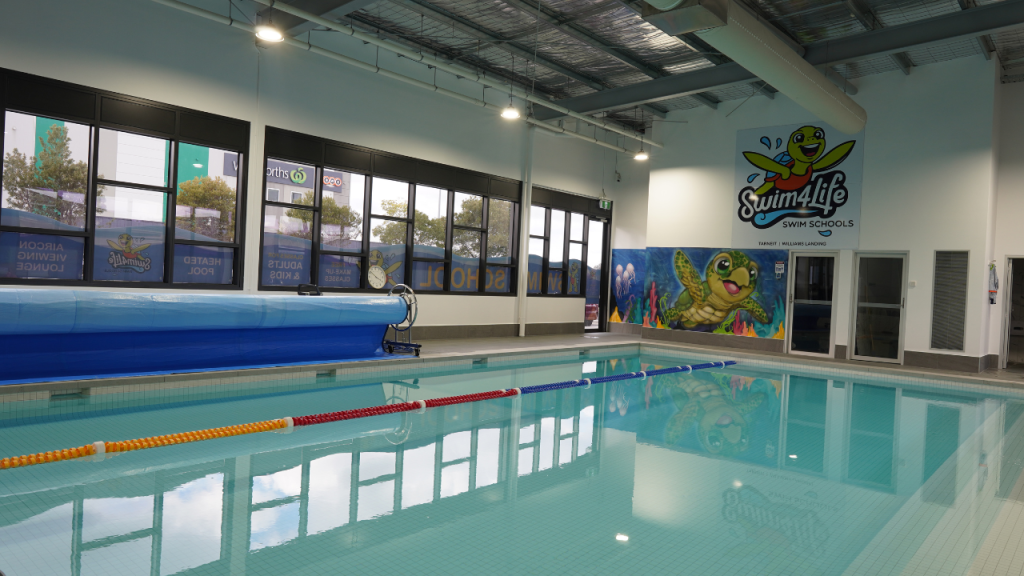
Swim4Life is well suited to both children and adults looking for swimming lessons in Melbourne’s western suburbs, with programs ranging from Baby & Toddler classes through to Beginner, Intermediate, Advanced and Adult Swimming Lessons. Small classes of three to four swimmers, a maximum of four per class, 30-minute lessons and purpose-built magnesium pools heated to 32°C create an environment designed to support different ages, confidence levels and stages of swimming development.
With locations in Tarneit and Williams Landing, Swim4Life is also a convenient option for families and adult swimmers from nearby areas including Werribee, Hoppers Crossing, Truganina, Point Cook, Laverton, Altona Meadows, Wyndham Vale, Manor Lakes and surrounding suburbs. Year-round lessons, continuous assessment and flexible cancellation and make-up options also make it easier to maintain a consistent swimming routine.
Families deciding how swimming can fit into the week can also read more about how often children should have swimming lessons before choosing a regular class schedule.
FAQ
How long before swimming should kids eat?
A main meal can be planned around 3–4 hours before swimming, with a smaller snack 1–2 hours before class if needed. These are meal-planning guidelines rather than mandatory waiting periods.
How long after eating can kids swim?
Kids do not need to wait 30 minutes or one hour after eating before swimming. If they feel comfortable, they can generally swim without following a fixed waiting period.
What should kids eat before an after-school swimming lesson?
If lunch was several hours earlier, options such as a banana, yoghurt, toast, a small sandwich or wrap can help bridge the gap until dinner. This is especially practical for children attending afternoon swimming lessons after school.
What should kids eat after an evening swimming lesson?
If dinner is due soon after class, the normal family meal can simply follow swimming. For later lessons, a smaller portion before class and the rest of dinner afterwards can help avoid eating a large meal immediately before getting into the pool.
Should babies eat before swimming lessons?
Babies can usually follow their normal feeding routine. There is no need to add an extra feed specifically for swimming, although parents may prefer to allow time for the baby to settle after a full feed before class.
Do kids need sports drinks for swimming lessons?
Usually not. Water is appropriate for most learn-to-swim lessons, including standard 30-minute classes.
Where can families book kids’ swimming lessons in Melbourne’s west?
Swim4Life offers children’s swimming lessons in Tarneit and Williams Landing, with both locations convenient for families from nearby areas including Werribee, Hoppers Crossing, Truganina, Point Cook, Wyndham Vale, Manor Lakes and surrounding suburbs.