

It can be frustrating when your child has been attending swimming lessons but does not seem to be progressing as quickly as you expected.
You may wonder if they are in the right class, if they are trying hard enough or if something is holding them back. The good news is that slow progress is very common in children’s swimming lessons, and it does not mean your child is failing.
Swimming is a complex skill. Children need to build confidence, coordination, strength, breathing control, water safety awareness and technique. Some stages move quickly, while others take more time. If your child is not progressing in swimming, there may be a few reasons behind it.
Progress in Swimming Is Not Always Straightforward
Children do not always progress in a straight line. Sometimes they improve quickly for a few weeks, then seem to slow down. Other times, they may repeat the same skill many times before they are ready to move forward.
Swimming requires both physical and emotional readiness. A child may understand what to do but still need time to feel confident enough to do it independently. Another child may be physically capable but nervous about putting their face in the water, floating on their back or swimming without support.
Progress may look small from the outside, but your child may still be building important foundations.
Common Reasons Children May Not Progress in Swimming
When a child is not progressing as quickly as expected, it does not always mean something is wrong. In many cases, they are still building the confidence, coordination and water awareness they need before moving to the next stage. Here are some common reasons children may take a little longer to progress in swimming lessons.
1. They Are Still Building Water Confidence
Confidence is one of the biggest factors in swimming progress. If a child feels nervous, they may hold their breath, tense their body or avoid trying new skills. This can make it harder for them to float, kick, breathe and move comfortably in the water.
Some children need more time to trust the water and trust themselves. They may need to practise simple skills many times before they feel ready for the next step.
This is especially common for beginners, younger swimmers or children who have had a negative experience around water in the past. When confidence improves, technique often improves too.
2. Inconsistent Attendance May Be Slowing Progress
Regular practice is important in swimming. If a child misses lessons often, takes long breaks or only swims during summer, they may forget skills between sessions. This does not mean they are not capable. It simply means they need more consistency.
Swimming skills are built through repetition. The more familiar the pool environment becomes, the easier it is for children to settle, listen and practise.
Weekly lessons can help children maintain routine and build steady progress throughout the year. During school holidays or after a break, an intensive swim program may also help refresh skills and rebuild confidence.
3. They May Be Going Through a Skill Plateau
A swimming plateau happens when a child seems to stop improving for a period of time. This can feel discouraging for parents, but it is a normal part of learning.
Often, a plateau means your child is working through a harder skill. They may be learning to coordinate breathing with arm movements, improve their kicking, swim further without stopping or become more independent in the water.
These skills can take time because they require multiple movements to work together. A child may not look like they are progressing, but they may be quietly building the strength, coordination and confidence needed for the next stage.
4. Fear or Anxiety May Be Holding Them Back
Fear is one of the most common reasons children stop progressing in swimming. A child may be afraid of deep water, putting their face in, floating without help, jumping in or swimming away from the wall. Even if they enjoy coming to lessons, a specific fear can slow their progress.
It is important not to rush this stage. Pushing a child too quickly can make fear stronger. Instead, children need gentle encouragement, patient instruction and repeated positive experiences. With time, they can learn that the water is a safe place to practise and grow.
5. They May Need More Time to Master One Skill
Parents often look for visible progress, such as moving up a level or swimming a longer distance. However, swimming progress often begins with small improvements.
Your child may be learning to keep their body flatter in the water, kick with better control, breathe more calmly or listen more confidently to instructions. These changes may not always look dramatic, but they are important.
Before children can move to the next level, they need to build strong foundations. Taking time with one skill can help them become safer and more confident swimmers in the long run.
The Class Level May Need Reviewing
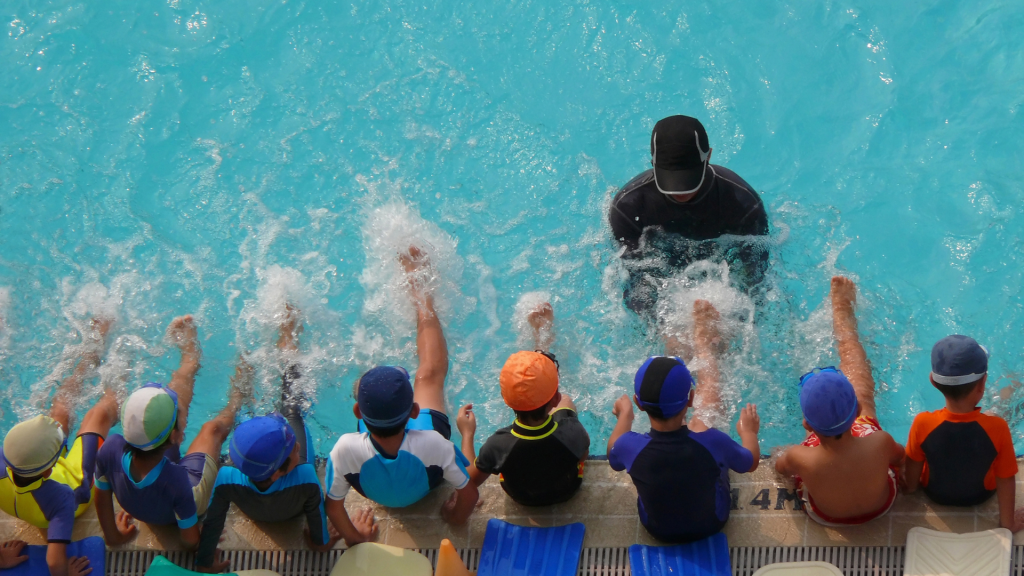
Sometimes children slow down because the class level is not quite right for them. If the class is too easy, your child may not feel challenged enough. If the class is too advanced, they may feel overwhelmed or lose confidence. Both situations can affect progress.
A good swim school will monitor your child’s development and help place them in a class that suits their current ability. The goal is to keep children challenged, but not pressured.
If you are unsure whether your child is in the right level, speak with the swim school team. They can explain what skills your child is working on and what they need to achieve before moving forward.
How Parents Can Help Their Child Move Forward
When a child finds swimming challenging, support from parents can make a big difference. Encouragement, patience and regular attendance can help children feel more confident and willing to keep trying. With the right support, many children can move through difficult stages and continue building their swimming skills over time.
1. Support Progress with Encouragement and Consistency
It is natural for parents to notice how other children are doing in class. However, comparing one child’s swimming progress with another can sometimes create unnecessary pressure.
Every child learns at their own pace. Some children feel confident in the water but need more time to improve their technique. Others may understand the skills well but need extra support to build confidence before trying them independently. Some children move quickly through the early stages, then slow down when the skills become more complex.
Your child’s swimming journey is their own. What matters most is that they continue attending lessons regularly, practising with patience and feeling supported along the way. Encouragement from parents can help children stay positive, especially when progress feels slow.
2. Consider Private Lessons for Extra Support
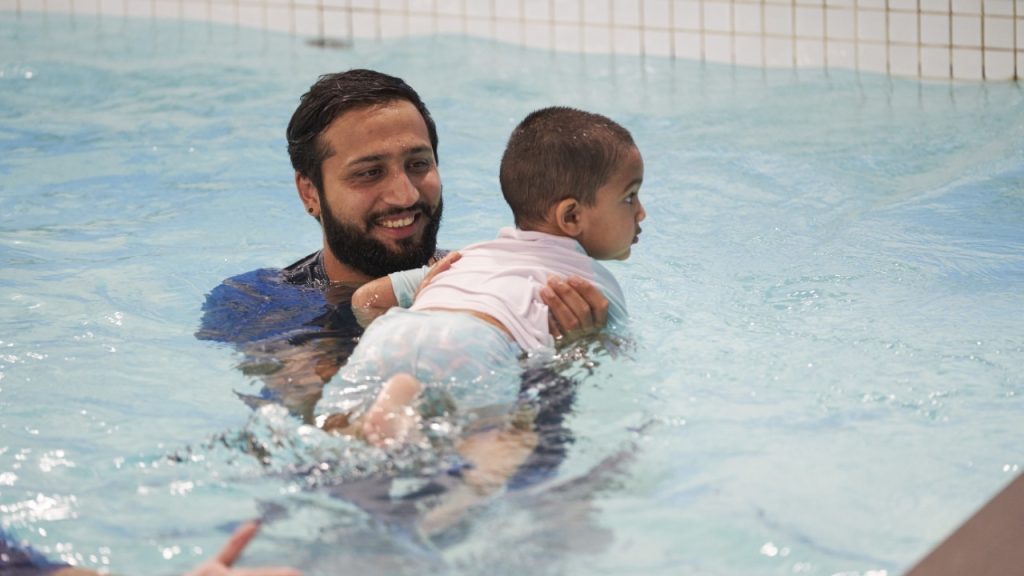
If your child needs more individual attention, private swimming lessons may be a helpful option. A 1:1 swimming lesson allows the instructor to focus on your child’s specific needs, whether they are nervous in the water, struggling with a particular skill, returning after a break or needing extra confidence before moving forward.
Private lessons do not replace group lessons for every child. However, they can provide a focused boost when extra support is needed. They can also help children work through a challenging stage with more personalised guidance and reassurance.
For children with additional needs or children who may require extra support in the water, private swimming lessons are often a suitable option. A 1:1 class allows the instructor to adapt the pace, communication style and lesson structure to suit the child’s individual needs, helping them feel safer, more comfortable and more confident in the water.
Help Your Child Progress with Swim4Life
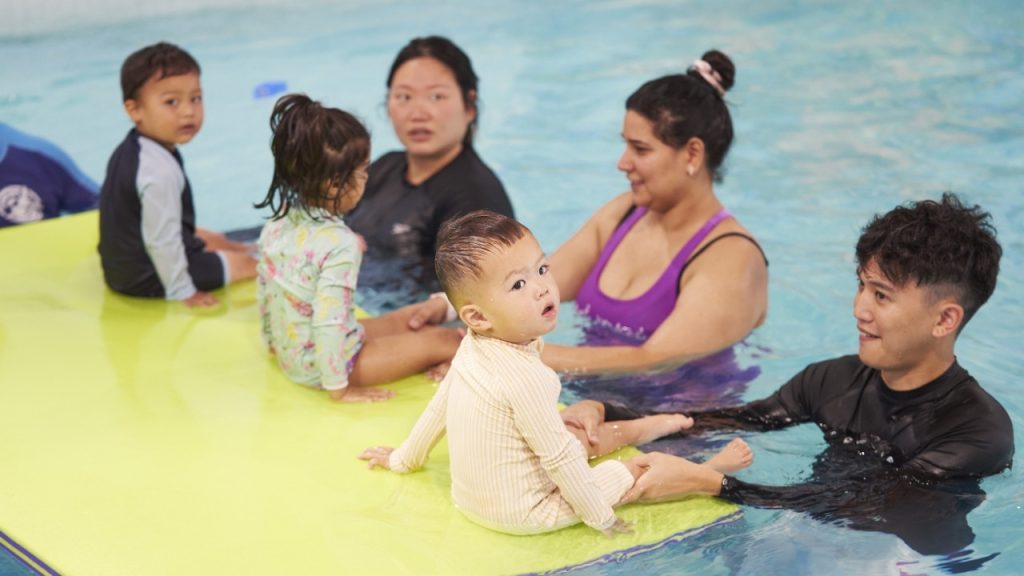
At Swim4Life, we understand that every child progresses at their own pace. Our caring instructors support children with patience, encouragement and structured lessons designed to build confidence, swimming ability and water safety skills over time.
If your child is finding swimming challenging, we are here to help them feel supported and capable in the water. Book a swimming lesson with Swim4Life today and help your child continue their swimming journey with confidence.
Frequently Asked Questions
Is it normal for children to stop progressing in swimming lessons?
Yes. Many children experience slower progress or plateaus at different stages. This is a normal part of learning and often means they are working through a more challenging skill.
Why is my child scared to try new swimming skills?
Children may feel nervous about putting their face in the water, floating, jumping in or swimming without support. Gentle encouragement and consistent practice can help build confidence over time.
Should I change my child’s swim class if they are not progressing?
Not always. Sometimes children simply need more time. However, if you are concerned, speak with the swim school team to check whether the class level is still the right fit.
Can private swimming lessons help my child progress faster?
Private lessons can help when a child needs focused support, extra confidence, or help with a specific skill. They can be especially useful for nervous swimmers or children who need more individual attention.